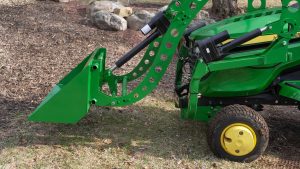

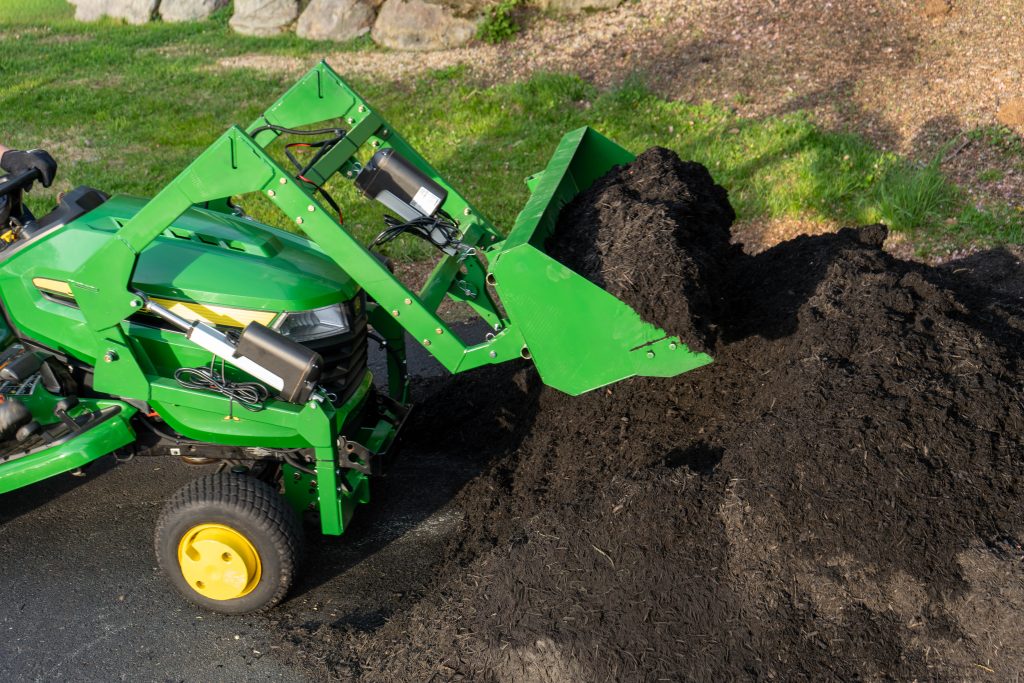
People always want a fast number when they ask about front-end loader capacities. Compact loaders usually handle between 1,500 and 3,000 lbs safely. Mid-size machines take on 5,000 to 10,000 lbs without breaking a sweat. Heavy-duty wheel loaders can tackle 15,000 lbs or more all day long.
Those figures hinge entirely on the machine’s specific design and engineering. You cannot just guess based on the physical size of the iron sitting in front of you.
Every heavy equipment operator knows the exact feeling. You pull up to a huge mound of wet gravel after a long night of rain and you drop the boom down. Then that nagging question hits you: how much can a front-end loader lift, really? It is a make-or-break moment on the job site that operators face every single day.
Pushing your machine past its breaking point ruins expensive equipment instantly. Best-case scenario, you blow a hydraulic hose and make a mess. Worst-case scenario, you bend a cylinder or flip the machine entirely.
The actual lifting capacity is almost never that simple number stamped on the side of your bucket. Guessing the payload weight based on how the bucket looks is a quick way to cause massive structural damage.
We are going to break down how to find your machine’s true lifting limits right now. You will see the hidden factors that change everything, from soil density to where the load actually sits in the bucket.
Capacities swing wildly depending on the type of iron you are running on the dirt. A compact skid steer darts around tight residential spaces with incredible ease. But it cannot match the raw muscle of a heavy earthmoving machine on a highway project. Major names like Caterpillar, John Deere, Volvo Construction Equipment, and Komatsu build to strict ISO payload standards.
Those rules keep the front loader weight limits honest and tested across the board. You know exactly what the machine can handle straight from the factory floor.
Trusting an average weight limit is asking for serious trouble on a busy site. A machine rated for 3,000 lbs hoists a bucket of dry wood chips like it is nothing. But fill that same bucket with soaked soil? The physics flip instantly. You have the same volume of material, but the physical weight just doubled.
You are now way over the safe limit and risking a severe accident. Understanding your own machine matters far more than trusting a generic industry average that does not account for weather.
The Rated Operating Capacity is the single most important number an operator needs to memorize. We call it ROC for short. It tells you the heaviest load the machine safely handles during regular daily work. Engineers figure out this rating to keep the equipment completely stable on rough ground.
Sticking to the loader’s operating capacity means your tires or tracks stay glued to the dirt. You never have to feel that terrifying weightless feeling in the rear end.
You cannot grasp ROC without talking about the tipping load first. This is the exact static weight that makes the rear wheels or tracks lift off the ground entirely. It is the limit before the machine loses balance and fails. Industry safety standards demand that your daily working weight stay far away from this tipping point. Pushing right up to the tipping load on every scoop wears down the machine fast. You stretch the metal and burn out the hydraulic pumps long before their time.
Lots of operators mix up breakout force with lifting capacity all the time. They are totally different beasts out in the field.
Breakout force is the raw hydraulic power used to pry packed dirt loose from the earth. Lifting capacity is the ability to pick up that loose dirt and carry it around safely.
You might have the juice to rip a stump straight out of the ground. That does not mean you can safely drive across the yard with it hanging in the air. Getting familiar with your loader bucket dimensions helps align your breakout power with actual carrying limits. You never want a bucket that outworks your frame.
Figuring out your safe working limit is actually pretty straightforward. You do not need a mechanical engineering degree to do the math.
Step 1: Find the machine’s specific tipping load number right from the operator’s manual. You need this baseline figure before you can calculate your safe payload.
Step 2: If you are operating a wheel loader, calculate exactly 50% of the full-turn tipping load. This specific percentage accounts for the weird balance shifts when steering with a heavy bucket, keeping the machine planted even when fully articulated.
Step 3: If you are running a track loader or skid steer, calculate exactly 35% of the tipping load. Track machines use a lower percentage due to rigid frames and entirely different pivot physics.
The trickiest part of the math is always the material itself. You have to train your brain to translate visual volume into physical weight immediately.
Take a single cubic yard of dry topsoil sitting in a pile. It sits right around 2,000 lbs on average. If your loader has a 2,500 lb ROC, you can scoop and move it safely all afternoon. But let it rain for a few hours and watch what happens.
That dirt soaks up water like a sponge and shoots past 3,000 lbs. Suddenly, that routine scoop puts your machine right on the verge of tipping over entirely.
Our engineering background in agricultural and landscaping equipment shapes everything LGM USA builds. We know that heavy machinery is a massive financial investment for your business.
It demands heavy-duty parts that actually hold up in the soil year after year. We spend our days testing how load centers and stress points impact real job sites. That hands-on knowledge goes into every single attachment we roll out of the welding shop. We build gear that operators actually want to use.
We build iron to push your machine to the max without risking stability. Safety and efficiency are absolutely non-negotiable for our manufacturing team. Our gear handles the brutal daily grind of commercial landscaping and farming. We stick to rigorous safety ratings and brutal testing phases before shipping anything.
We build for guys who need equipment that shows up and does the work, day in and day out. You never have to second guess the steel you are running.
A few physical things dictate how much muscle your loader really has on the job. A longer wheelbase provides a stable footprint for the whole rig. Heavy counterweights in the rear pull the center of gravity straight back. This balances out the heavyweight sitting in the front bucket naturally.
It directly boosts your tipping limit without touching the engine. More weight in the back always equals more lifting power in the front.
Your lift is only as good as your internal fluid pressure. Hydraulic relief valves cap the maximum force your cylinders produce. They pop open to stop lines from exploding under extreme lifting stress. Old seals and dirty fluid quietly steal your lifting power over time.
Staying on top of your heavy equipment maintenance is the only way to keep your hydraulics performing at their original weight. Skipping filter changes will rob you of breakout force fast.
The load center sits right in the middle of the payload inside the bucket. The further out that weight hangs from the pivot pins, the less capacity you actually have. Pushing a heavy load high up into the air moves the center of gravity straight up with it. A bucket that feels totally fine two feet off the ground gets dangerous fast. It can tip the whole machine over sideways at maximum height if you hit a bump. Keep loads low and tight to the machine whenever you are moving.
Compact gear rules the tight residential yards and indoor barn aisles. They are built to turn on a dime and get into tight corners.
Most offer safe lifting ranges sitting right between 1,500 and 3,000 lbs. Because they are light, their balance is incredibly sensitive to heavy attachments. You need to verify your skid steer loader capacities before slapping a snow bucket on the front end. Over-bucketing a small machine is the fastest way to break it.
These are the utility players of municipal yards and commercial builds. They comfortably handle the 5,000 to 10,000 lb range all day. Mid-size machines blend road speed with serious lifting power. They carry dense materials like wet sand and concrete chunks without complaining or bogging down.
You get the perfect mix of power without needing a huge trailer to haul it around. They are the sweet spot for most medium contractors.
When you hit the rock quarry or major earthmoving sites, the numbers get huge. These giants move massive amounts of material with rock-solid stability.
Here is the information formatted into a table:
| Machine Type | Average Tipping Load | Safe Operating Capacity |
| Compact Skid Steer | 4,000 lbs | 1,400 to 2,000 lbs |
| Mid-Size Wheel Loader | 16,000 lbs | 8,000 to 10,000 lbs |
| Heavy Wheel Loader | 36,000 plus lbs | 18,000 plus lbs |
You will notice the front-end loader lift capacity scales aggressively as the machine footprint grows. The heavier the iron, the more it can comfortably throw around the yard.
Going over your ROC beats up the equipment incredibly fast. The lift arms, pivot pins, and main chassis take forces they were never meant to handle. Keep pushing it hard, and the hydraulic bypass valve triggers constantly. If you are unlucky, you blow a primary seal right in the middle of a lift.
Chronic overloading bends the loader frame permanently and sidelines the machine for weeks. It is an incredibly expensive mistake that is completely avoidable.
The scariest part of ignoring weight limits is rolling the machine over. Lift a heavy load too high, and the rear wheels leave the ground, and your steering is instantly gone. Hit a slope or a deep rut while overloaded, and you roll in a split second. A roll cage protects you, but the experience is violent, and the machine is usually totaled. Respecting the loader load chart keeps the iron running strong. Most importantly, it makes sure every single operator goes home safe to their family at night.
Q. What is the difference between tipping load and rated operating capacity?
A. Tipping load is the failure point where the back wheels come entirely off the ground. Rated Operating Capacity is the safe working weight set by the manufacturer to prevent that from ever happening.
Q. Does bucket size change lifting capacity?
A. No, it does not. Bolting on a bigger bucket gives you more physical room for material. Your hydraulic strength and frame stability stay exactly the same, no matter what bucket you use.
Q. How much does a cubic yard of gravel weigh?
A. Gravel weights jump around based on rock size and water content. Dry gravel runs around 2,400 to 2,900 lbs per cubic yard. Wet gravel easily clears 3,000 lbs and requires serious caution.
Q. How do you calculate wheel loader lift capacity?
A. Find the full-turn tipping load listed directly in your operator’s manual. Cut that exact number in half. Articulated wheel loaders safely operate at exactly 50 percent of their tipping load limit.
Q. Can a front-end loader lift a car?
A. It all comes down to the machine’s specific size and counterweight. A mid-size loader with an 8,000 lb ROC picks up a standard sedan easily. A small skid steer will absolutely tip over trying to manage that kind of weight.
Q. Are all heavy equipment lifting capacity charts the same?
A. No, every single machine has a unique chart based on its wheelbase and hydraulics. You must check the specific construction loader specifications for your exact make and model before lifting.
Q. Does the boom extension reduce my wheel loader’s lifting capacity?
A. Yes, extending the load further away from the machine drastically drops your lifting power. The further out the weight hangs, the easier it is for the rear end to lift.
Q. How do I find my specific loader bucket capacity?
A. Your bucket capacity is usually welded onto a metal plate right on the attachment. It tells you the struck volume and heaped volume, but you still have to calculate the actual material weight yourself.
Knowing the true capabilities of your iron keeps the job site moving safely every single day. Remember that big physical volume does not always equal heavy weight. Wet dirt requires entirely different mental calculations than dry dirt. Base your daily lifts on the official ROC instead of just eyeing the bucket and guessing.
Respecting those strict engineering limits saves your hydraulics and prevents terrible accidents. The smartest operators let the machine work within its limits. Stop guessing on bucket weights and start moving heavy material with total confidence. Get attachments engineered for serious daily abuse and heavy payloads.
Check out our heavy-duty equipment inventory online today. Reach out to LGM USA to get custom loader attachments built perfectly for your specific fleet. We help you push your heavy equipment lifting capacity in the safest way possible. Do not settle for weak steel when you have serious dirt to move.

© 2026 All Rights Reserved | LGM USA LLC
Added to cart
Check out our shop to see what's available