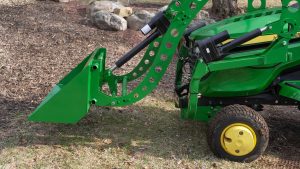

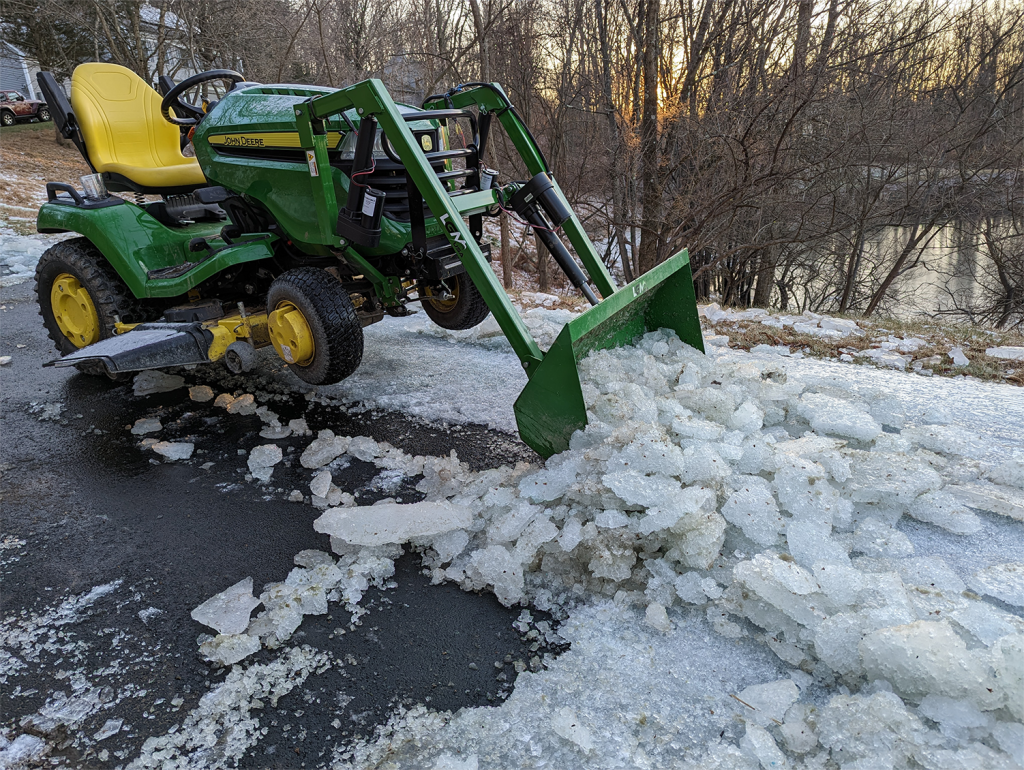
Waking up to three feet of freezing, heavy snow blocking your commercial yard is an absolute nightmare. Manual shovels break your back, and small walk-behind blowers jam instantly when dealing with deep, heavy drifts. If you want to get the lot open before business hours, you need serious mechanical muscle. Figuring out how to clear snow using a front-end loader is the ultimate solution to this miserable winter problem.
A tractor equipped with a heavy bucket gives you the raw power to move massive volumes of winter precipitation quickly. Instead of fighting the weather, you are using heavy hydraulics to reclaim your property in a fraction of the time. It completely changes how you approach a brutal January blizzard here in the USA.
However, you cannot just drop the steel edge and step on the gas without a solid plan of attack. Moving thousands of pounds of freezing slush requires specific driving techniques to protect your transmission and your driveway. Let us break down the exact methods needed to run your rig like a seasoned professional operator.
When people first start running heavy equipment, they often assume the machine can do no wrong. The reality of front-end loader snow removal is that brute force will only get you so far before you physically break something. You have to understand the physics and weight of what you are pushing.
Wet, heavy accumulation acts completely different than light, fluffy powder. Pushing a massive bank of wet slush puts an incredible strain on your hydraulic lift arms and your heavy transmission gears. If you do not read the ground conditions correctly, you will end up blowing a fluid line or burning out a heavy clutch.
That is why taking the time to learn the nuances of your specific machine pays off massively over the years. A skilled operator listens to the engine RPMs and feels how the tires are gripping the asphalt. It becomes a smooth, highly efficient dance rather than a stressful, chaotic chore.
Long before the first blizzard hits the local radar, you need to physically walk the property you intend to clear. Once a few inches accumulate, every single landscaping feature disappears entirely under a blank white canvas. You need to know exactly where the hidden dangers are to avoid major, expensive accidents.
Concrete curbs, low retaining walls, and expensive decorative boulders are notorious for destroying steel cutting edges. Take an afternoon in late autumn to hammer tall, brightly colored fiberglass driveway stakes next to every single obstacle. This simple prep work saves thousands of dollars in property and severe equipment damage.
You absolutely cannot wait until the morning of a major storm to check your equipment over. Executing safe snow removal with tractor loader setups requires rigorous mechanical maintenance long before the freezing temperatures arrive. A breakdown at four in the morning in zero-degree weather is a genuinely dangerous situation.
Cold weather violently exposes every single weak point in your hydraulic system and heavy diesel engine block. You need to verify that your fluids are rated for extreme temperatures and your moving parts are fully lubricated.
Here is a mandatory checklist to ensure your heavy machinery is ready for the long winter:
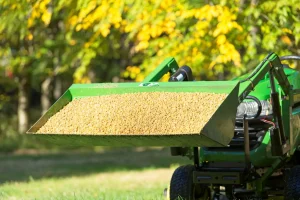
Most people just stick with the standard dirt bucket that came attached directly from the dealership lot. While a dirt bucket can scrape hardpack ice reasonably well, it severely lacks the volume capacity needed for deep accumulation. You end up making entirely too many trips back and forth across the commercial blacktop.
If you live in a region that gets hammered regularly, investing in a high-capacity light material bucket or a pusher is incredibly smart. A pusher box eliminates side-spill, allowing you to move double the volume in a single, straight push across a massive commercial parking lot or driveway.
Horsepower means absolutely nothing if you cannot keep your heavy tires glued firmly to the icy pavement. Standard turf tires or worn-out agricultural treads will spin out the second they hit a patch of solid hardpack. You need maximum downward ground pressure to maintain safe forward momentum in terrible weather.
Always attach a heavy ballast box, a heavy rear blade, or solid wheel weights to the back of your rig. Additionally, throwing a heavy set of studded tire chains over your rear rubber will turn your machine into an unstoppable tank, no matter how slick the blacktop surface gets overnight.
When you finally sit in the cab, the best way to remove snow with a tractor is to treat the machine exactly like an oversized plow, not a shovel. Many beginners make the terrible mistake of trying to lift and carry every single scoop to a designated pile on the property.
That rookie mistake burns expensive diesel fuel rapidly and wastes incredibly valuable operating time. Instead, you want to keep the bucket completely level and simply push the accumulation across the frozen surface. Let the raw physical weight of the heavy tractor do the hard work while you steer from the warm cab.
Having a repeatable, highly systematic approach to clearing your property keeps you safe and drastically reduces your total seat time. Whether you are opening up a small residential farm lane or a massive commercial yard, you need to follow a strict process.
Here is how you tackle the job safely and correctly:
After spending twenty brutal winters clearing lots, you pick up specific operational habits that separate the professionals from the amateurs. These advanced loader snow-clearing tips are specifically designed to keep you out of the expensive repair shop when the weather turns brutal. It is all about working much smarter, not necessarily harder, out there.
You always have to remain completely aware of your surroundings, especially in tight residential areas or busy yards. Moving parts, slippery conditions, and extremely poor visibility create a perfect recipe for highly expensive accidents.
Keep these critical operational rules in mind every single time you turn the ignition key on your heavy equipment:
As mentioned earlier, straight pushing is incredibly fuel-efficient compared to lifting heavy material repeatedly all morning. However, you will eventually run out of flat ground. Knowing exactly when to transition from pushing to vertical stacking is a highly critical skill for any heavy equipment operator trying to maintain a safe, clear commercial or residential property.
Watch your front tires and listen to the engine block carefully as you work the throttle. The exact moment your wheels start slipping excessively, or the engine bogs down hard, the bank is too heavy. Back up slowly, take a much smaller bite, curl the bucket safely, and physically lift the material up and out of the way.
Here is an insider Pro Tip that saves endless frustration: never park your machine with a dirty, fully loaded bucket. When you finish the job, use a hand shovel to aggressively scrape out any remaining slush stuck to the interior steel. If you leave it completely wet, it will quickly freeze into a solid, unmovable boulder overnight.
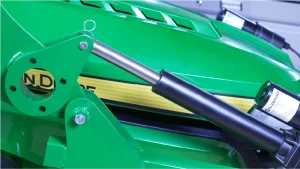
Additionally, take a heavy rubber mallet and gently tap the thick ice off your hydraulic rams before shutting the engine down. Sharp ice crystals left on the bare cylinders will easily shred the delicate rubber seals the next time you extend the arms, leading to a massive, highly expensive hydraulic fluid blowout.
Q. Can a loader bucket scratch my paved driveway?
A. Yes, dragging a bare steel edge aggressively will scar expensive asphalt easily. Using the machine’s float function or attaching a bolt-on rubber edge prevents this surface damage completely.
Q. How do I stop my tractor from slipping on solid ice?
A. You absolutely need maximum downward pressure to grip slick surfaces safely. Adding a heavy rear ballast box and installing aggressive studded tire chains will permanently solve any slipping issues.
A. Is it better to push or lift the accumulation?
A. Always push the material as far as you can first, acting exactly like a standard plow. Only lift and vertically stack the piles when the bank becomes completely unmanageable to push.
Handling brutal winter weather does not have to be an exhausting, back-breaking ordeal that completely ruins your busy morning. By properly preparing your tractor and executing smart, methodical pushing techniques, you can keep your property clear all season long. Let the heavy machinery handle the freezing labor while you stay comfortable and warm inside the operator’s cab.
Cheap steel bends and weak welds snap the second the temperature drops below zero. Slapping the right iron on your tractor is the only way to guarantee you finish the job without a massive mechanical breakdown. When you need heavy attachments built specifically to survive brutal American winters, get your gear from LGM USA LLC and keep your operation moving.

© 2026 All Rights Reserved | LGM USA LLC
Added to cart
Check out our shop to see what's available