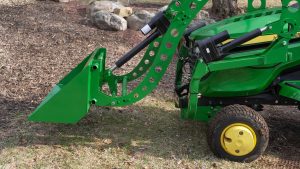


If you have a lawn on your property, the work never truly ends. There is always something on the list: moving mulch in the spring, gravel for a new parking area, firewood in the fall, cleanup after coastal storms, or pushing snow when winter arrives.
At some point, every homeowner with a lawn tractor or garden tractor has the same thought:
“Why am I still doing this with a wheelbarrow when my tractor could do the work?”
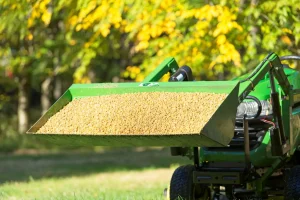
That is when a garden tractor front end loader for sale becomes worth considering. The right loader attachment can turn your mower into a dependable work machine, but only if you choose the right one.
This guide highlights what to look for before you buy, with a special focus on New Jersey properties and the John Deere compatible options companies like LGM USA build for homeowners.
Before getting excited about any front end loader for sale, take a close look at the tractor you already own.
Ask yourself:
If you own a John Deere X300 or X500 series tractor, for example, some loaders are designed specifically to fit those frames. When evaluating a garden tractor loader for sale, check:
If a seller cannot confirm compatibility with your specific tractor, take that as a warning sign when you are spending several thousand dollars.
It is easy to get distracted by numbers like lift capacity, bucket width, and loader weight. These matter, but only in the context of what you actually do.
Picture your property:
Common tasks homeowners use a loader for:
When you assess a garden tractor front end loader for sale, ask:
“Does this loader match the work I do?”
For most New Jersey homes, a compact loader with a few hundred pounds of lift and a manageable bucket size is far more useful than an oversized option you cannot fully use.
Many garden tractor loaders for sale list capacities between 250 and 350 pounds. That may sound small compared to compact tractors, but consider:
For typical New Jersey properties:
The goal is a setup that feels solid, controlled, and safe.
When shopping for a John Deere front end loader attachment for sale, one of the biggest questions is how it is powered.
Hydraulic systems
Pros:
Cons:
Electric systems
Pros:
Cons:
A well-designed electric loader is more than enough for the homeowner who wants to stop doing heavy yard work by hand.
When evaluating any front end loader for sale, look closely at how it operates.
Ask about:
The more natural the controls feel, the faster you will work.
New Jersey sees everything from humid summers to icy winters. A loader should withstand these conditions.
Check for:
A garden tractor loader for sale should look and feel like something that lasts for years.
Most homeowners do not keep the loader attached year-round. You may use it heavily in spring and fall, then remove it for mowing.
Before buying, ask:
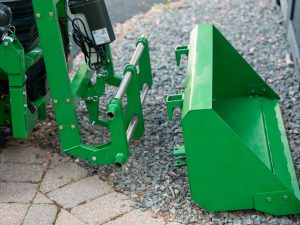
You want a loader that mounts securely, removes easily, and fits comfortably in your garage or shed.
If your property has hills or uneven ground, safety becomes even more important.
Any time you add a loader, you are increasing front weight and raising the center of gravity.
Look for:
A seller offering a John Deere front end loader attachment for sale should be transparent about safe use.
Support matters more than most buyers realize.
When browsing for a garden tractor loader for sale, look for companies that:
The more homeowner-focused the brand, the better your experience will be.
Tractor match
Capacity
Power system
Controls
Build quality
Installation and storage
Safety
Support
If a loader checks all these boxes, it is likely a strong fit for most American homes.
Imagine early spring with three yards of mulch in the driveway and a full weekend of work ahead. With a good garden tractor front end loader on your John Deere, you can scoop, carry, and place mulch efficiently without the endless wheelbarrow trips.
Whether you are browsing for a John Deere front end loader attachment for sale or comparing electric loaders for an X300 or X500, taking the time to confirm compatibility, capacity, build quality, and safety will make every yard project easier.
If you are tired of moving materials by hand, a well-built loader turns your garden tractor into one of the most useful tools you own.
When comparing options:
Your property will not maintain itself, but the right loader will make the work faster and far more manageable.
Adding a loader is about more than putting an attachment on your tractor. It changes how you work on your property. Choosing wisely from the available front end loader for sale options lets you move from long, exhausting hand labor to quick, efficient tractor work.
When you shop:
Do that, and every big delivery or storm cleanup becomes far easier with the right garden tractor front end loader for sale.
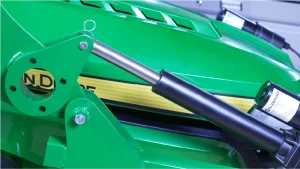
The actuator determines lifting power and speed. Choosing the right force rating and stroke length ensures smooth handling of heavy materials like gravel and wet soil without overloading the motor.
Key factors include 12V battery compatibility, available mounting space, and correct retracted length to ensure full motion without interference with the tractor frame, hood, or tires.
The duty cycle defines how long the actuator can run before cooling down. For residential use, a standard duty cycle is sufficient for intermittent tasks like lifting and dumping materials throughout the day.
A high IP-rated actuator protects internal components from dust, moisture, and debris, preventing corrosion, electrical failure, and long-term performance issues in outdoor environments.
LGM USA provides expert guidance to match actuators with specific tractor models and use cases, ensuring optimal performance, correct fitment, and reliable long-term operation.

© 2026 All Rights Reserved | LGM USA LLC
Added to cart
Check out our shop to see what's available