
You are tired of using a wheelbarrow for mulch, dirt, and gravel. You are looking at your current riding mower and wondering if it can do the heavy lifting for you. Saving your back from hours of manual labor sounds amazing, but buying a brand-new compact utility tractor costs thousands of dollars. You aren’t sure if your current mower’s frame can handle the intense stress of a front-end loader.
While the short answer is yes, slapping a front-end loader on a standard entry-level mower can actually destroy the machine. That is entirely true unless you know exactly what type of mower you have sitting in your garage.
In this comprehensive breakdown, you will learn how to accurately identify if your specific mower is compatible with these attachments. We will cover the distinct differences between hydraulic and electric lifts, safe lifting capacities, and the top attachment options available on the market today.
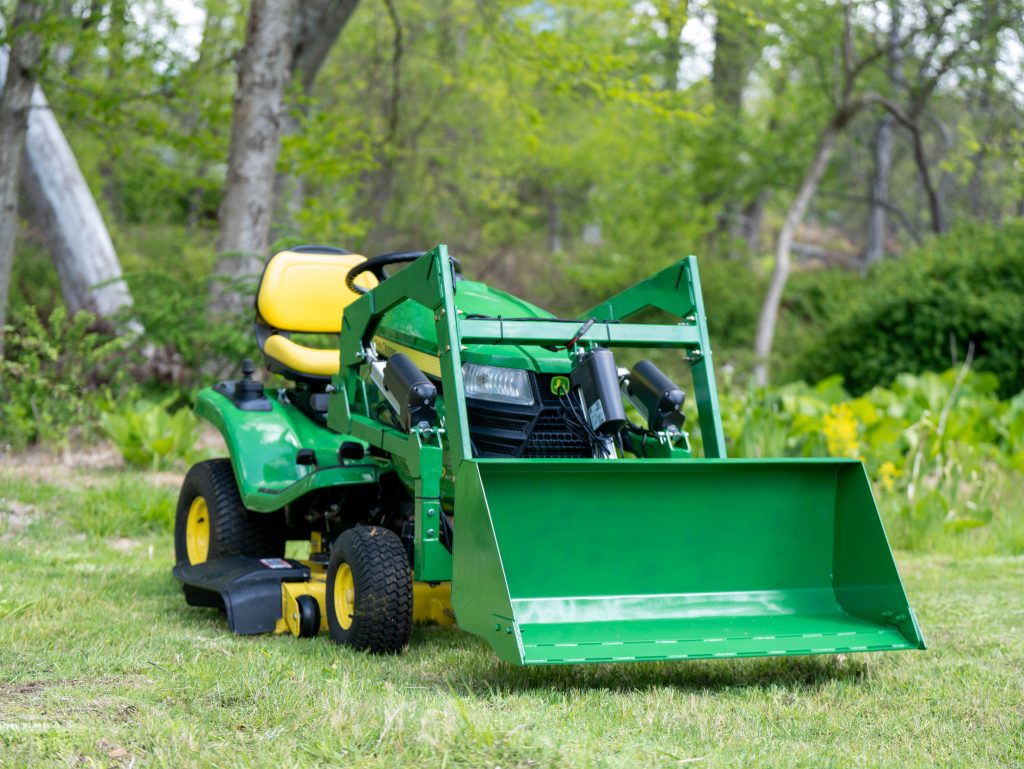
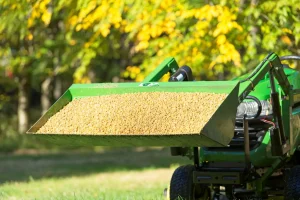
So, can you add a loader to a riding mower? Yes! You can, but it all depends on the overall classification of the equipment. However, front-end loaders can be safely mounted on heavy-duty garden tractors with tough steel frames and beefy transaxles. Standard lawn tractors generally lack this necessary structural integrity. They usually require much lighter, electric front-scoop alternatives instead to avoid severe mechanical damage.
If you want to upgrade your equipment this year, you must first understand the machine you own. Many homeowners confuse standard riding mowers with heavy-duty garden tractors because they look incredibly similar on the dealership floor.
Standard lawn tractors are built for one main job: cutting grass on flat terrain. They feature stamped steel frames that are relatively thin and lightweight to save on manufacturing costs. These mowers have severe limitations in both frame strength and suspension capabilities.
The entry-level hydrostatic transmissions found in these standard machines are not rated for ground-engaging work. The internal gears will quickly overheat, slip, and strip under heavy pushing torque. Because of this, they usually cannot support heavy front-end loaders.
If you bolt a heavy steel bucket to a stamped frame, the frame will eventually twist or crack under the payload. Understanding the lawn tractor vs garden tractor differences is crucial before buying any expensive aftermarket attachments for your garage.
Garden tractors look similar to standard mowers but are engineered entirely differently from the ground up. They feature significantly heavier, reinforced steel frames designed specifically to take a beating.
These machines include robust, heavy-duty transmissions capable of pulling and pushing heavy loads without overheating the internal fluid. They also come with factory-designed, reinforced bolt-on attachment points on the front and rear chassis.
Because of these heavy-duty internal components, garden tractors are the ideal candidates for front loader kits. They easily handle the intense downforce required to scoop and move topsoil, dense mulch, or wet gravel across your property.
Once you confirm your tractor can safely handle the extra weight, you must choose a lift style. The consumer market generally offers two main categories of loader attachments for residential property maintenance.
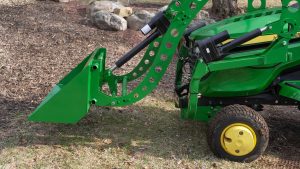
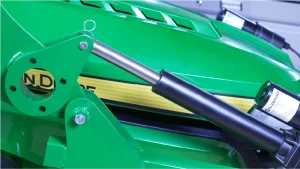
Many modern kits use strong electric linear actuators to lift and dump the bucket. These systems wire directly into your mower’s 12-volt battery and electrical system.
Using electric actuator bucket loaders provides a very straightforward installation process for the average homeowner. You completely avoid routing messy hydraulic fluid lines or installing secondary engine pumps.
The pros include a much easier installation, zero hydraulic fluid maintenance, and a significantly lighter overall attachment weight. This lighter setup makes them much safer for the front axle of a standard garden tractor.
However, you will definitely experience slower lift times compared to fluid-driven systems. They also have a significantly reduced weight capacity, usually maxing out at 150 to 200 pounds of material each scoop to avoid mechanical failure.
Residential mowers use hydraulic systems to give you professional-level pushing force. These sophisticated additions employ pressurized fluid to efficiently move large quantities of weight.
The main advantage is a significantly higher lifting capacity. A fully hydraulic setup allows your mower to act like a true mini tractor, lifting heavy loads of wet dirt or stone with ease.
The major downside is the highly complex installation process. This setup requires an expensive auxiliary pump powered by the mower’s engine or a built-in hydraulic port system. They require great mechanical skill to install properly and safely.
Requirements for a safe mower loader installation:
Adding a heavy loader drastically changes how your mower handles and steers. As you lift heavy material in the front, the rear of the machine becomes incredibly light.
Installing rear ballast for lawn tractors is mandatory before moving any materials. You must add heavy iron wheel weights, a custom rear weight bracket, or fluid-loaded tires to keep your drive wheels firmly planted on the turf.
Without this rear weight, you risk losing steering traction entirely. Lifting a heavy load without proper rear ballast creates a severe tipping hazard that could result in property damage or serious injury.
Standard turf tires are explicitly designed to protect delicate grass from tearing. They are completely useless when trying to push a metal bucket into a dense gravel pile.
Moving from smooth turf tires to aggressive lug tires is highly recommended for any loader setup. If you cannot afford brand-new tires, using heavy-duty metal tire chains helps maintain excellent grip on wet grass or loose dirt.
Your front steering axle takes the brunt of the abuse when using a loader. Most standard residential mowers use thin cast aluminum or hollow steel axles.
You must understand your precise weight limits before snapping an axle completely in half. Upgrading your machine to a solid cast-iron front axle is often required for long-term durability and safety.
Expert Insight: A customer recently tried lifting wet gravel with a stamped-frame mower. The front axle bent immediately, ruining the steering geometry. Always match your transaxle rating precisely with the intended loader weight.
The aftermarket attachment industry gives you several great options if your tractor is ready for a major upgrade. Popular market options like the Johnny Bucket are highly regarded among property owners.
This electric-lift system provides easy bolt-on installation and robust durability for garden tractors. Swisher also manufactures excellent universal dump buckets designed for heavy-duty mowers and ATVs.
If your standard entry-level mower is completely incompatible with these heavy kits, do not risk destroying your machine. Consider lightweight front scoops designed specifically for entry-level mowers that rely on manual lifting levers.
Alternatively, investing in a high-capacity, tow-behind dump cart saves your transmission while still easily moving heavy landscaping materials across your property.
Deciding to install a permanent loader comes down to a strict cost-to-benefit analysis for your property. A quality aftermarket loader kit typically runs anywhere between $1,500 and $3,000.
This base price completely excludes the necessary rear weights, upgraded lug tires, or required heavy-duty suspension upgrades. You must weigh this total cost breakdown carefully against the long-term reliability of your current machine.
Buying used subcompact utility tractors is often a much smarter financial investment for large properties. These dedicated machines come with factory-installed hydraulics, four-wheel drive, and heavy-duty frames built exclusively for earthmoving.
We don’t just write articles about mowers; we engineer and manufacture the heavy-duty equipment, keeping your property running. With decades of hands-on fabrication experience, our team understands the exact structural limits of lawn tractor frames. We know the breaking points of entry-level transaxles better than anyone in the industry.
We have guided thousands of property owners through the complex process of upgrading their machines. We firmly believe in providing honest, candid advice. If a loader kit will ruin your specific mower model, we will tell you directly to save your money. Our primary goal is to protect your financial investment.
All of our attachment recommendations are vetted against rigorous manufacturer load specifications. We rely entirely on real-world field testing to ensure our advice keeps you completely safe, highly productive, and free from costly repair bills.
Q. Can a riding mower use a front-end loader?
A. Yes, but only if it is definitely classified as a heavy-duty garden tractor. Standard residential riding mowers lack the necessary frame strength and will break under intense operational stress.
Q. What is the lifting capacity of a DIY riding mower loader?
A. Most aftermarket and custom DIY kits max out safely between 150 and 200 pounds. This strict limit heavily protects the mower’s front axle and steering components from snapping under heavy loads.
Q. Are front loaders bad for hydrostatic transmissions?
A. Yes, they can be highly destructive if the internal transmission is not rated for ground-engaging work. Entry-level hydrostatic transaxles will quickly overheat, slip their internal belts, and fail.
Q. How do you add a bucket loader to a lawn tractor?
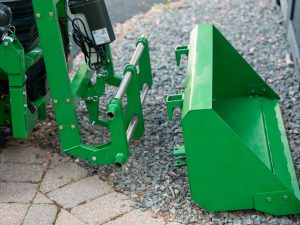
A. You start by securely bolting a specialized steel mounting bracket directly to the front chassis frame. Then you hook on either an electric linear actuator system or a hydraulic auxiliary pump to work the lifting arms.
Q. Can I build a DIY riding mower loader?
A. If you have extensive welding and metal fabrication skills, then you can build a custom DIY loader. However, it requires precise geometry for the lifting arms and a thorough understanding of structural stress points to avoid catastrophic failure.
Adding a loader attachment can completely transform how you handle your weekly yard work. However, this is only true provided you own a garden tractor actually capable of handling the heavy stress.
Carefully assess your current garage equipment and verify your transmission limits directly with the manufacturer. Always prioritize personal safety by installing the proper heavy counterweights and upgraded traction tires before starting any major landscaping project.
Do not let an improper aftermarket installation ruin your expensive landscaping equipment. Check the inside frame of your mower today and see if it really is ready for a front-end loader improvement in 2026!

© 2026 All Rights Reserved | LGM USA LLC
Added to cart
Check out our shop to see what's available