
You know the feeling. A dump truck just dropped three yards of fresh mulch right at the end of your driveway. It is a sweltering Saturday morning, and you are staring at that huge pile with a mix of dread and pure exhaustion.
Moving endless wheelbarrows by hand is just brutal. It takes a serious physical toll on your back, drains your energy, and easily eats up your entire weekend. Manual yard work takes too long, and let’s face it, there are many better ways to spend your days off. That is exactly why understanding the top uses for a lawn tractor loader changes everything. Instead of breaking your back with a shovel, you can let your machine do the heavy lifting and reclaim your weekend.
But the ultimate solution might already be sitting in your garage. That standard riding mower you only pull out to cut grass has a lot of hidden potential. With the right attachment bolted to the front, it turns into a heavy-duty workhorse.
We are going to walk through how a single equipment upgrade changes how you handle chores. You will learn how to save your back, speed up your weekend projects, and get way more value out of your machinery.
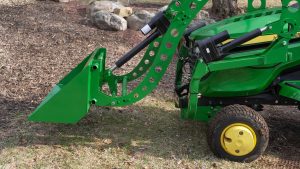
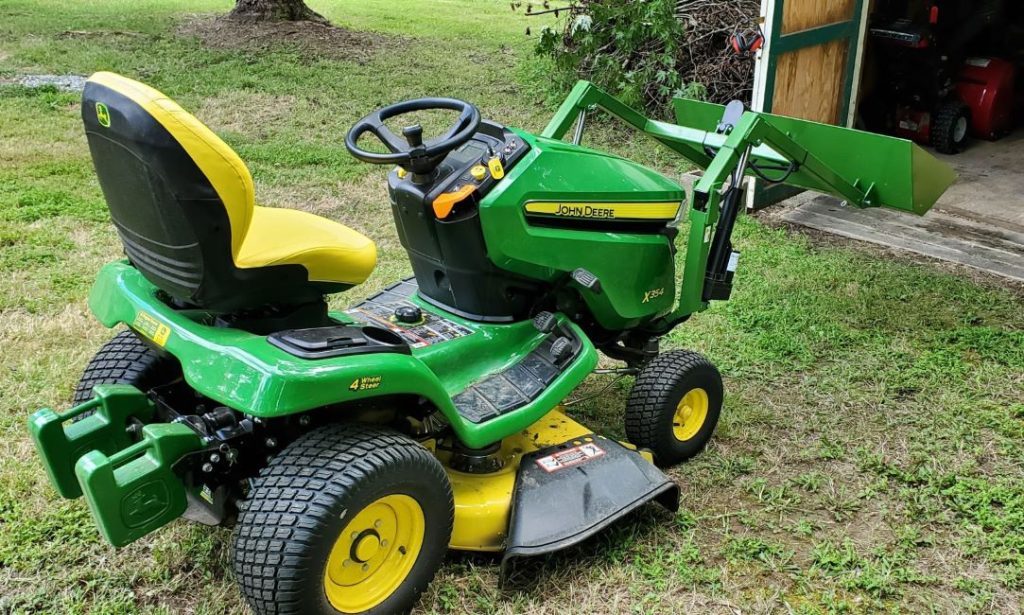
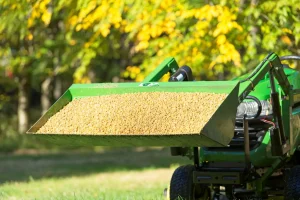
A lawn tractor loader is a front-mounted attachment powered by hydraulics or a manual leverage system. Designed to scoop, lift, and transport heavy materials like soil, mulch, or gravel, it transforms a standard riding mower into a compact earth-moving machine for residential yard care.
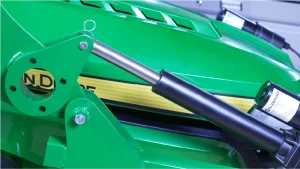
You really need to understand the mechanics before digging into a project. Most residential models rely on basic manual dump levers or small hydraulic pumps to lift the bucket.
These are not commercial skid steers, so knowing their limits is important. A standard bucket usually handles between 200 and 400 pounds per scoop safely. Going over that limit puts a ton of unnecessary stress on the front axle and steering components.
Prepping spring garden beds usually ruins your back for days. A loader bucket completely replaces the wheelbarrow routine, letting you move bulk mulch fast.
Instead of shoveling material twice, you scoop from the delivery pile and dump it exactly where the garden needs it. That one change easily cuts landscaping time in half.
When moving wet topsoil, we always recommend taking smaller scoops. Damp grass makes tires slip, and a heavy front load makes traction even worse.
Pro-Tip: Always keep the loader bucket as low to the ground as possible when driving across the yard. This prevents tipping and keeps your center of gravity safe.
People always ask us if a residential mower can handle driveway stone. They definitely can, but you have to be patient and smart about it.
When you start looking into various compact tractor loader uses for hardscaping projects, you quickly realize how dense gravel is. Taking shallow bites off the top of the pile is the safest method.
Never ram the bucket full force into settled stone. Skim the top edge and let the bucket fill up gradually as you inch forward.
| Material | Approx. Weight per Cubic Yard | Loader Suitability |
| Dry Mulch | 400 – 800 lbs | Excellent |
| Topsoil | 2,000 – 2,700 lbs | Good (Small loads) |
| Gravel | 2,400 – 2,900 lbs | Fair (Shallow loads only) |
When a bad winter storm hits, a front bucket turns into your best friend. It actually pushes and lifts heavy snow banks way better than a standard plow blade.
A traditional plow shoves snow to the edges, building up huge walls that eventually choke off your driveway. A loader lets you scoop the snow up and drop it completely out of the way.
This lifting power is a lifesaver at the end of the driveway when the city plows leave those dense, frozen walls of slush behind.
Getting ready for winter means moving a ridiculous amount of wood. A front bucket removes the need to haul logs by hand or drag a heavy cart through the mud.
You can move heavy split logs from the back woodpile right to your porch in minutes. It completely saves your lower back during the damp, cold months.
If you want to move more at once, load the bucket high and strap a couple of bungee cords over the top so nothing spills out on the way.
Anyone serious about gardening knows that turning a huge compost pile is miserable work. The bucket makes aerating those heavy piles a quick five-minute job.
By scooping from the bottom and dumping it back over the top, you mix air right into the pile. This speeds up the breakdown process immensely.
Once the compost turns into that dark, rich soil, you scoop it up and drive it straight to the raised beds without any pitchforks required.
After a heavy thunderstorm rolls through, yards end up covered in broken branches and leaves. Cleaning up that mess takes a full day of dragging tarps around.
A front bucket lets you push together storm debris, wet leaves, and thorny brush without tearing up your hands. It is a necessity for anyone doing serious property maintenance on a large lot.
Just consolidate the debris, scoop it up, and haul everything to the burn pile or the street for pickup.
Fixing deep tire ruts or spreading out fresh driveway stone usually means renting a heavy machine. But your bucket actually works great for light grading.
You can easily “backdrag” the attachment to smooth out uneven dirt. Just drop the bucket until the edge touches the ground, tilt it forward a bit, and drive in reverse.
This method smooths out fresh topsoil, levels crushed stone, and quickly fixes those annoying ruts left by delivery trucks.
Redesigning a backyard involves lifting things that have no business being lifted by hand. A loader acts like a personal moving assistant for the heavy stuff.
It easily handles decorative boulders, heavy retaining wall blocks, and those big potted patio trees.
Instead of blowing out a knee trying to drag an oak barrel planter, you scoop it up gently and drive it exactly where it looks best.
Fixing fences or repairing sheds often means lugging tools to the far corner of your lot. Your bucket doubles as a giant, heavy-duty toolbox.
Load it up with chainsaws, digging bars, concrete bags, and heavy hardware before heading out.
It keeps all your expensive gear out of the wet grass and saves you from walking all the way back to the garage just because you forgot a hammer.
If you live out in the country or run a hobby farm, daily chores pile up fast. Mucking out horse stalls or large chicken coops is a dirty, heavy job.
Using the bucket to clear barn aisles and move waste to the muck pile saves a ridiculous amount of time.
It keeps the barn cleaner and takes the physical strain out of the least fun job on the farm.
At LGM USA, we do not just write blog posts about yard work; we actually engineer the heavy-duty machinery that gets it done. We have spent years manufacturing tough, reliable lawn and garden equipment, so we know exactly what it takes to manage a large property.
Our main focus is giving homeowners not just great equipment, but the practical advice needed to use it right. We build things to last, focusing on durable materials and solving real, everyday yard challenges. When we give you a tip, it comes directly from years of manufacturing experience and getting our own boots muddy in the field.
Physics dictates everything when you operate lifting equipment. Because a bucket adds so much weight to the front, your tractor desperately needs rear wheel weights or a heavy ballast box.
This weight in the back counteracts the front load. Without it, your back tires will float right off the ground the second you scoop wet dirt, causing you to lose your brakes and steering instantly.
Driving on hills is dangerous if you are not careful. You should never drive sideways across a slope with a loaded bucket up in the air. That is a guaranteed way to roll the machine.
Always drive straight up and down the hills. Keep the bucket as close to the grass as possible and drive at a crawl when the ground gets uneven.
If your setup relies on fluid power, you have to stay on top of inspections. Make a habit of checking your hydraulic system for weeping seals, cracked rubber hoses, and loose connections.
Make sure the fluid is topped off based on what your manual says. Clean, pressurized fluid is exactly what gives the machine its lifting strength.
Q. How much weight can a lawn tractor loader lift?
A. Most standard residential buckets lift between 200 and 400 pounds per scoop. But that really depends on how strong your tractor’s frame is and how much counterweight you have on the back.
Q. Can I install a loader on an existing lawn tractor?
A. Yes, but only if the manufacturer explicitly rates your mower’s frame and transaxle for the added stress. Cheap, entry-level riding mowers will bend under the weight of a loaded bucket.
Q. Is a lawn tractor loader worth buying?
A. If you have a lot of property and regularly move dirt, mulch, stone, or wood, it pays for itself. The sheer amount of time and physical pain you save makes it a massive upgrade.
Adding a bucket to your mower permanently changes how you handle weekend chores. Instead of breaking your back with a shovel, you get things done fast and actually have time to enjoy your yard. Whether you are spreading spring mulch, grading a washed-out driveway, or hauling winter logs, getting a lawn tractor with a front loader saves your body from brutal wear and tear.
Stop wasting your weekends doing heavy lifting by hand. If you need a faster, safer way to manage your property, you need the right tools. Visit our product page right now to check out our durable, heavy-duty equipment setups and start taking your weekends back.

© 2026 All Rights Reserved | LGM USA LLC
Added to cart
Check out our shop to see what's available