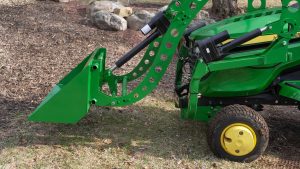

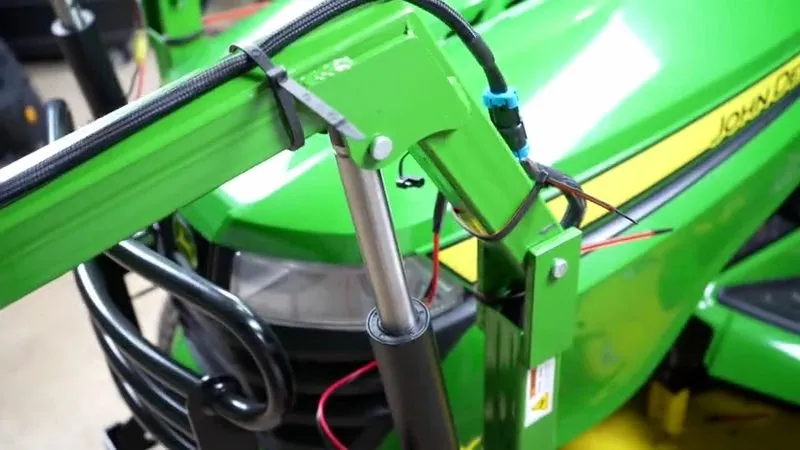
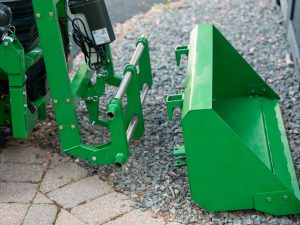
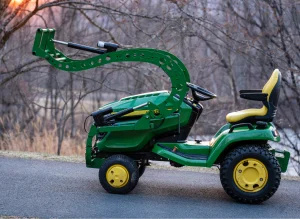
If you are searching for a John Deere front-end loader attachment for sale, you are not just looking for specifications. You want a clear understanding of total cost of ownership (TCO) over the next several seasons. This guide from LGMUSA in Long Valley, New Jersey walks through the factors that determine whether a loader will deliver value, performance, and reliability for your property or business.
From installation time and maintenance to energy use, support, downtime, and eventual resale value, TCO provides a holistic view of what ownership truly costs—and what it can save you.
Whether you are moving mulch, topsoil, gravel, brush, or managing snowbanks, the goal is simple: choose a loader that fits your equipment, protects your time, and delivers predictable results.
Many buyers focus on sticker price, but the true cost of ownership often lies in the details. A low purchase price can quickly become expensive if installation is complicated, maintenance is frequent, or downtime interrupts critical work. Conversely, a premium loader may pay for itself quickly if it reduces labor, increases productivity, and retains value.
A practical TCO evaluation should address these questions:
It is important to remember that TCO is highly individual. The loader that meets the needs of a contractor with a large property or commercial operation may not be the same attachment ideal for a homeowner with a John Deere X500 and a residential driveway.
The first step is ensuring compatibility. A front-end loader designed for a John Deere X300/X500 lawn and garden tractor is engineered specifically for that platform. Its design differs significantly from a hydraulic loader intended for a compact utility tractor (CUT). Both move material, but only one is suitable for your machine.
Consider these factors:
Getting the fit correct eliminates surprises such as custom modifications, improperly matched components, or the need for an entirely different tractor.
While the base price is often the first figure buyers consider, it is only part of the story. Some loader systems require additional subframes, hydraulic kits, or controls, which can quickly increase the total upfront cost. Homeowner-focused electric loaders eliminate many hydraulic add-ons, offering immediate cost savings and simplifying ownership.
Key insight: Pay for the capabilities you actually need. Avoid investing in features that you will rarely use.
Freight is a real expense. Flat-rate shipping simplifies budgeting and removes guesswork. Lead time is critical, especially for seasonal projects like spring mulch, fall topsoil preparation, or pre-winter snow clearing. Knowing exactly when your loader will arrive allows you to plan work efficiently.
Recommendation: Confirm shipping insurance and tracking. Include freight and arrival timelines in your TCO calculation.
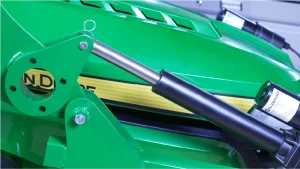
Installation can consume more hours than anticipated if the system is complex. Electric loaders excel in this area, requiring no hydraulic plumbing and fewer specialized tools. Comprehensive documentation and instructional videos transform installation from a stressful task into a manageable project completed in a single afternoon.
Professional takeaway: Four focused hours of installation is more efficient than two weekends spent troubleshooting hydraulic connections.
Hydraulic loaders require routine inspections of hoses, fittings, seals, and fluid levels. Electric loaders reduce the number of moving parts, limiting potential failure points. Typical maintenance routines include inspecting fasteners, pivot points, and pins—the same basic checks used on mower decks.
Insight: Predictable maintenance reduces unexpected downtime and keeps TCO stable.
For most homeowner tractors, energy differences between electric and hydraulic systems are minimal. Electric actuation does not place additional load on the engine like a hydraulic pump. The primary concern is maintaining battery health and ensuring electrical connections are clean. These small steps can have a significant long-term impact on performance.
Advice: Avoid overemphasizing fuel savings. Focus instead on installation ease, maintenance simplicity, and reliability.
A loader is only effective if it is used. Controls should be intuitive, safe, and easy to operate by anyone who may assist. When motion is predictable and controls are familiar, productivity increases, errors decrease, and safety improves.
Professional insight: Confidence drives efficiency. A user-friendly loader will see more consistent use.
Downtime is a hidden TCO cost. Even a missing pin or small failure on a Saturday can halt an entire weekend project. Seek brands with responsive support, clear documentation, and readily available replacement parts. A strong warranty and a reliable support line often provide more real-world value than a high-spec feature used once a year.
Tip: Evaluate support infrastructure when comparing loader brands.
Well-maintained, purpose-built attachments retain value better than generic or heavily modified units. A loader stored indoors, cleaned regularly, and documented with manuals and photos is easier to resell. If future upgrades are planned, resale value can offset initial costs significantly.
Takeaway: Treat a loader as a long-term asset to maximize return on investment.
Use the following simple framework to evaluate your total cost of ownership:
Calculation: Add 1–6, subtract 7. This provides a realistic, individualized TCO.
Scenario 1: Homeowner with X500 Tractor
Tasks: Mulch, compost, soil, light gravel, brush, snow removal.
Setup: Purpose-built electric front-end loader.
Scenario 2: Upgrade to Compact Utility Tractor (CUT) with Hydraulic Loader
Tasks: Heavy materials, tall pallets, commercial workloads.
Professional insight: For typical homeowner workloads, Scenario 1 offers lower TCO and predictable weekend productivity.
Hidden Savings Not Reflected in Specs
Safety and Operational Best Practices
Safety is about predictable, repeatable habits, not restrictive rules.
Ownership Calendar and Maintenance Checklist
Common Buying Mistakes to Avoid
How LGMUSA Optimizes Total Cost of Ownership
Three-Year TCO Example (Homeowner X500)
This model illustrates predictable costs and a clear return in time, efficiency, and safety.
The ideal front-end loader is not defined by flashy numbers but by compatibility, usability, and predictable costs. A purpose-built electric loader for a John Deere X300/X500 provides:
For homeowners, this translates to fewer trips, completed projects, and reduced physical strain. For those with heavy commercial tasks, a CUT hydraulic loader may be necessary. For typical residential workloads, a purpose-built loader delivers the lowest TCO and highest peace of mind.
When evaluating options, professional guidance ensures your choice fits your tractor, your workload, and your time. At LGMUSA, we provide transparent advice, reliable parts, and local support to help you make the right decision.


© 2026 All Rights Reserved | LGM USA LLC
Added to cart
Check out our shop to see what's available