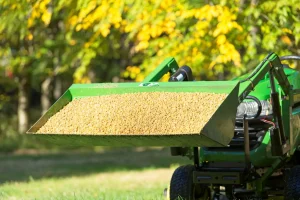
Taming Your Backyard: A Beginner’s Guide to Using a Front-End Loader
So, you’ve looked at your backyard and seen a vision: maybe it’s a new terraced garden, perhaps a level lawn for the kids, or even the foundation for that dream patio you’ve been planning. But between you and that vision lies a mountain of dirt and gravel that isn’t going anywhere on its own. This is where the front-end loader enters the scene—an essential piece of equipment with the power and precision to transform your landscape.
Using a front-end loader can turn a back-breaking, weeks-long project into a manageable weekend endeavor. But like any powerful tool, respect and knowledge are paramount. The more deliberate your planning and technique, the safer and more effective your results will be. Let’s walk through how to use a front-end loader safely, efficiently, and confidently for your backyard project.
Step 1: Safety and Planning
Before you turn the key, the real work begins with preparation, organization, and a clear understanding of your site.
Call Before You Dig
Contact your local utility locating service—such as 811—before starting any excavation work. This free service marks underground gas, water, electrical, or communication lines. It prevents catastrophic accidents, protects your equipment, and saves you from costly repairs.
Know Your Machine
Familiarize yourself thoroughly with the loader’s operating controls. Practice raising, lowering, and tilting the bucket in an open, unobstructed area. Identify essential safety components including the seatbelt and the Roll-Over Protective Structure (ROPS). Understanding every control before you begin your project is the foundation of safe operation.
Gear Up
Your personal protective equipment (PPE) is non-negotiable. Steel-toe boots protect your feet, heavy-duty gloves support your grip, safety glasses defend against debris, and hearing protection helps prevent long-term hearing loss. Proper PPE is an essential part of professional-grade operation.
Plan Your Material Flow
Think like a project manager. Determine where your pile of topsoil is located, where the gravel needs to be delivered, and where you’ll temporarily place the sod you’re removing. Establishing a clear “traffic flow plan” minimizes unnecessary driving, reduces soil compaction, and improves efficiency.
Step 2: Mastering the Basic Movements
Smooth, controlled motions are the foundation of professional loader operation.
Loading the Bucket
A common mistake is driving the loader directly into a pile. Instead, approach the material with the bucket low and level. Move forward steadily while simultaneously lifting the arms and curling the bucket upward. This coordinated movement fills the bucket more efficiently and reduces unnecessary strain on the machine.
Carrying the Load
Always carry the load as low to the ground as possible. Keeping the center of gravity low dramatically improves stability and reduces the risk of tipping, especially when navigating uneven terrain.
Dumping with Precision
At your dumping location, raise the bucket to the appropriate height and uncurl it slowly. Avoid fast, uncontrolled dumping. For spreading materials such as gravel, keep the bucket slightly raised and gently curl and uncurl as you reverse. This technique creates a smooth, even distribution of material.
Step 3: Putting the Loader to Work in Your Backyard
Now that you understand the mechanics, it’s time to apply them to real landscaping tasks.
Moving Bulk Materials
Whether you’re relocating topsoil, mulch, or gravel, use the same loading method described earlier. When preparing a gravel base, distribute small piles along your intended path. Then, use the back of the bucket—especially in float mode, if available—to drag and level the material evenly.
Grading and Leveling
This is where loader operation becomes artistry.
- Rough Grade: Start by redistributing large volumes of soil from high areas to low areas.
- Fine Grade: Position the bucket perfectly flat and just touching the ground. Engage float mode, allowing the loader arms to follow the natural contour of the ground. Then drive backward slowly. The bucket acts like a large straightedge, smoothing the surface and eliminating inconsistencies.
Trenching for Drainage or Irrigation
Although a dedicated trencher is best for narrow and deep trenches, a loader can efficiently create wider, shallow trenches. Make careful parallel passes, scooping out soil and placing it to the side. Always maintain safe trench wall angles to prevent collapse.
Crucial Safety Tips
The power that makes a front-end loader so effective also makes it potentially dangerous.
Respect the Slope
Exercise extreme caution on inclines. Avoid turning across a slope whenever possible. Drive straight up or straight down to maintain machine stability and reduce tip-over risk.
Watch Your Surroundings
Be constantly aware of people, pets, structures, vehicles, and obstacles. A raised bucket creates significant blind spots. Always know what lies beyond the pile you’re manipulating.
Keep It Low
A raised bucket increases instability. Carry loads low, travel at moderate speeds, and avoid moving with the bucket fully elevated.
You’re Ready for Your Project
A front-end loader can feel like a superpower for the ambitious homeowner. It democratizes earthmoving, making large-scale landscaping accessible and achievable. By starting with thoughtful planning, respecting the machine’s capabilities, and practicing controlled operation, you’ll not only protect yourself and your property—you’ll unlock the full potential of your backyard.
Your outdoor transformation is no longer a distant dream. With proper technique and preparation, you can move earth confidently and bring your new landscape to life.
Frequently Asked Questions
- What is the safest way to carry a loaded bucket?
Always carry the load low to the ground to maintain proper stability and minimize the risk of tipping.
- How do I prevent the loader from digging holes when I’m trying to level?
Use the float function on your loader controls. This allows the bucket to follow the ground’s natural contour instead of digging into it.
- Do I need to call anyone before I start digging?
Yes. You must call your local utility locating service—such as 811—to identify and mark underground lines before digging.
- What’s the most efficient way to fill the bucket?
Avoid ramming into the pile. Approach with the bucket level, then gently drive forward while lifting and curling the bucket simultaneously to scoop efficiently.
- Can I use a front-end loader on a slope?
Exercise extreme caution. Avoid turning on slopes, and always travel straight up and straight down to maintain stability.