Let’s be honest about equipment downtime. It completely wrecks our weekly schedules. Every hour a machine sits broken in the dirt, our profit margins take a hit.
We have all stood around a dead loader waiting for a costly service truck. It is just incredibly frustrating. We learned the hard way that keeping a machine alive comes down to basic morning habits.
By sticking to a strict routine in 2026, we actively protect our financial investments. That is exactly why we rely on a QORE loader maintenance checklist every single shift.
We are going to break down exactly what needs doing before anyone turns the ignition key. Proactive care keeps our crews safe and keeps the dirt moving. Let’s dig right in.
Why Trust LGM USA LLC for Your Equipment Needs?
Here at LGM USA LLC, we actually turn wrenches. We don’t just sit in an office. Our crew spends time out in the soil with fleet managers. We know the smell of burnt transmission fluid. We know exactly what a blown cylinder looks like.
That field experience drives everything we do. We share practical advice because we use it ourselves. Our goal is to help operators avoid sudden breakdowns. Delivering solid, honest solutions is how we do business. We want our equipment running hard.
What Should Be Included in a QORE Loader Maintenance Checklist?
A good routine has to be realistic. If we make the daily checks too complicated, the guys won’t do them. A rushed morning usually means skipped steps. We focus on four basic pillars to keep things rolling smoothly.
Here is a quick look at our daily requirements:
- Looking over the frame for fresh cracks or loose hardware.
- Pulling dipsticks to check engine oil, coolant, and hydraulic fluids.
- Hitting the main pivot points with grease to stop friction.
- Swapping out dirty air, fuel, and hydraulic filters on schedule.
Sticking to these basics saves us a ton of headaches.
The Daily QORE Loader Inspection Checklist
We have to do a full walk-around before every single shift. Writing down what we see helps us catch tiny problems early. Safety is always the biggest reason for this daily loader inspection.
Engine and Fluid Checks
First things first, we pop the hood. We pull the oil dipstick and check the coolant reservoir. We also look at the water separator to see if fuel leaked overnight.
Running a heavy diesel engine on low oil is a guaranteed disaster. We double-check that all fluid caps are twisted on tight. Keeping those basic fluids topped off is the easiest way to prevent overheating. We also peek underneath the belly for fresh puddles.
Hydraulic System Inspection
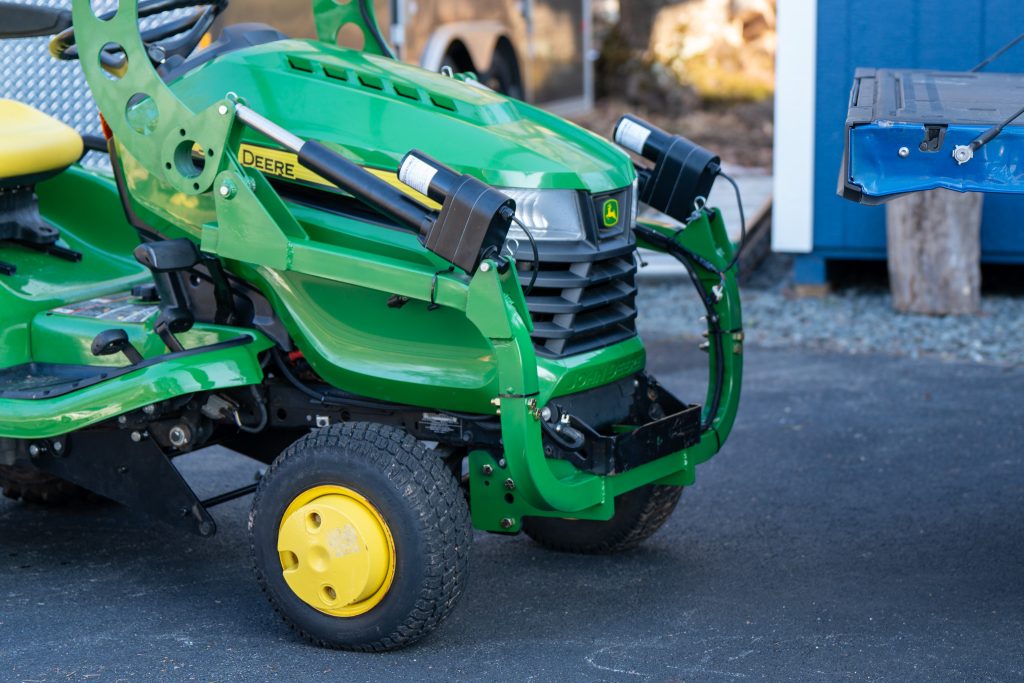
The hydraulics are the actual muscle of our machines. We look closely at all the rubber hoses, steel lines, and fluid reservoirs. We check the levels so we aren’t running dry.
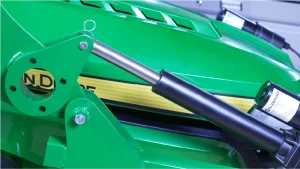
Our mechanics always tell us to look for weeping fluid around the hose fittings. Tightening a wet fitting now saves us from a blown line at noon. We also wipe the dirt off the hydraulic rams so the seals don’t get chewed up.
Tire Pressure and Track Maintenance
Moving heavy material over rough ground requires stable footing. We always check our tire pressure with a gauge. Depending on the model, we usually keep them between forty and sixty PSI.
We look hard at the rubber treads for deep cuts. Sometimes a sharp rock gets embedded in the rubber. We also make sure the lug nuts are torqued down tight. Taking care of the wheels means less strain on the transmission.
Bucket Inspection and Loader Arms
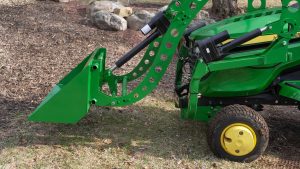
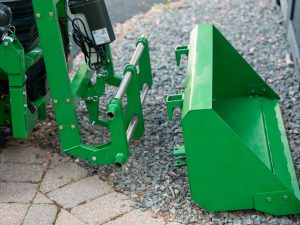
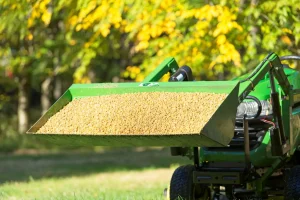
The loader bucket takes a beating every single day. We check the cutting edges and bucket teeth for stress cracks. We also inspect the main pivot pins connecting the bucket to the arms.
If the cutting edge is completely rounded off, we order a replacement. Digging with a dull bucket burns way more fuel. Finally, we look at the structural welds on the lifting arms to make sure nothing is starting to split.
Weekly and Monthly Preventive Maintenance
We can’t catch everything during a fast morning walk-around. That is why our QORE loader service intervals include deeper weekly and monthly checks. We set calendar alerts in our phones so we don’t forget. Consistent weekly care stops daily wear from getting out of hand.
Lubrication and Grease Points
Grease is cheap. Replacement steel is incredibly expensive. We hunt down every single zerk fitting on the loader arms and linkages. Pumping high-pressure grease stops metal from grinding against metal.
Skipping this step causes avoidable pivot pin replacements. We always wipe the fitting clean first so we don’t push dirt inside the joint.
Filter Replacements
Engines need to breathe clean air. We follow the factory schedule for swapping out air and fuel filters. Working in heavy dust changes the timeline completely.
Doing proper agricultural equipment maintenance requires checking air pre-cleaners constantly. We also swap out the cabin air filters so we don’t breathe in dirt all day.
Battery Inspection and Electrical Systems
We pop the battery cover and look for fuzzy white corrosion on the terminals. If we see it, we scrub it off immediately with a wire brush. We also check the wire harnesses to make sure they aren’t rubbing on the frame.
We turn the key halfway to make sure all the warning lights actually turn on. We test the backup alarm too.
What Causes Premature Loader Wear?
What actually kills these machines early? It usually comes down to bad operating habits. We’ve all seen guys push a loader past its weight limit. Running a bucket into a concrete slab over and over eventually cracks the frame.
We also stick to authentic OEM parts instead of buying knock-offs online. Factory parts just fit better and last longer. Trying to save fifty bucks on a filter usually costs thousands in engine repairs later on.
How Maintenance Logs Improve Equipment Lifespan
Nobody likes doing paperwork. But keeping a detailed logbook is the smartest thing we can do. Writing down exactly what we fixed helps us spot recurring issues. It takes the guesswork out of our scheduling.
Plus, good records protect our wallets. A clean logbook drives the resale value way up when we trade a machine in. We also need that paperwork to file a warranty claim. Taking our preventive maintenance tips for QORE loaders seriously really pays off.
Conclusion & Next Steps
Following a solid routine keeps us out of the repair shop. Doing proper QORE loader maintenance directly helps our paychecks and makes the job site safer. This is the most practical heavy equipment maintenance guide we can follow right now.
We have to stay committed to these checks. Let’s make it a habit to print out this QORE loader maintenance checklist and clip it to the dashboard. Please reach out to our service team if you need a thorough fleet inspection.
Frequently Asked Questions
Q. What is a QORE loader maintenance checklist?
A. Think of it as our daily playbook. It tells us exactly what to look at before we put the machine to work. Using it keeps tiny leaks from turning into massive repair bills.
Q. How often should we perform a daily loader inspection?
A. Every single morning. We always do a full walk-around before anyone even touches the ignition key. Taking five minutes to check the fluids and tires saves us hours of sitting around later.
Q. Which loader components require regular greasing?
A. Basically, anywhere metal rubs against metal. We specifically target the pivot pins, loader arms, and bucket linkages. If we let those joints run dry, we end up buying expensive replacement parts.
Q. How often should air and fuel filters be replaced?
A. We start with the factory manual, but the dirt really dictates our schedule. Working in heavy dust means we swap them out way sooner. We cannot risk choking out the engine.
Q. Why should we use OEM parts instead of aftermarket ones?
A. Cheap knock-offs rarely fit right. We stick to factory parts because they actually match the original specs. It costs a bit more today but keeps our manufacturer warranties completely safe tomorrow.
Q. How does a maintenance log help reduce overall repair costs?
A. Writing everything down takes the guesswork out of our scheduling. It shows us exactly what keeps breaking. Plus, having a solid paper trail gets us top dollar when we finally trade the machine in.