
If we own a few acres, we know the drill. The weekend rolls around. Instead of relaxing, we spend Saturdays fighting a broken wheelbarrow and a mountain of dirt.
Taking care of a large property is exhausting. Shoveling heavy topsoil or dragging fallen tree branches across the yard turns into a brutal full-body workout.
Most of us figure a full-sized farm tractor is overkill. So, we settle for hand tools. But after a few seasons of chronic back pain, that routine gets old quick.
We need a middle ground. We need something small enough to fit in a garage but strong enough to do the heavy lifting.
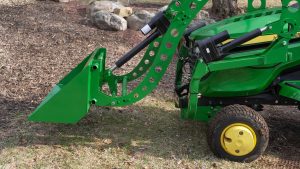
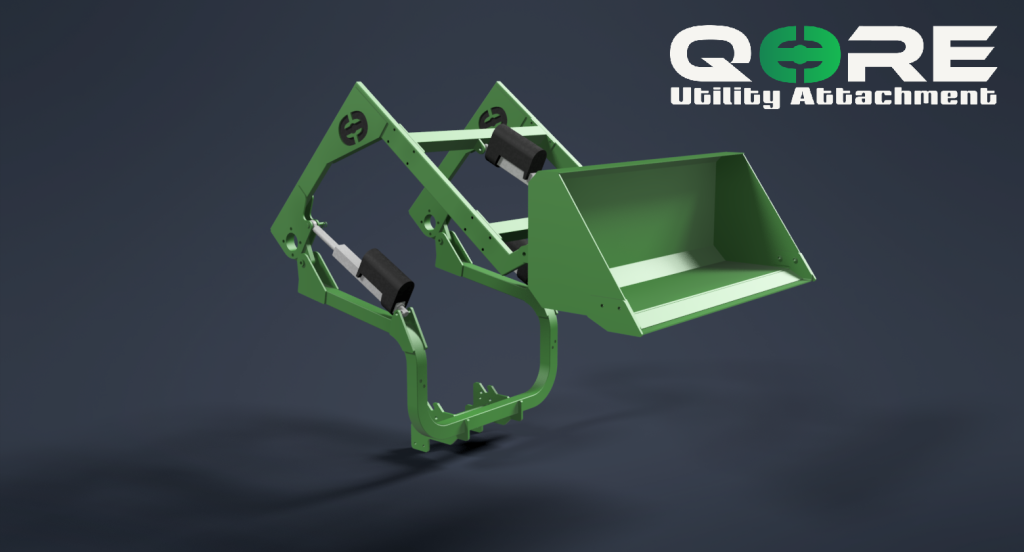
That is exactly where the QORE Loader steps in.
Let us look at fifteen practical ways this machine completely changes how we manage our land.
We do not just read equipment manuals. We spend our days out in the dirt.
With years of hands-on experience in the agricultural machinery industry, our team knows exactly what works. We operate these compact loaders on actual acreage every single week.
We see how machines handle thick mud, freezing rain, and uneven hills.
Our primary goal is simple. We want to match property owners with equipment that genuinely saves time and physical wear and tear.
We care about long-term reliability over a quick sale. When things break down in the field, we are here with real-world maintenance advice and honest technical support. We stand behind our machines because we actually use them.
Huge utility tractors are fantastic for wide-open farm fields. But they become a headache when we need to navigate tight residential spaces.
We need something that maneuvers easily around mature garden beds, narrow barn doors, and dense woods. A compact unit gives us that tight turning radius. We can drive right up to the house without tearing up the lawn.
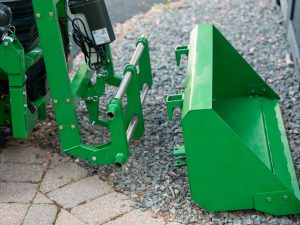
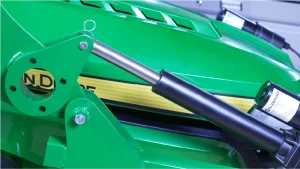
The real magic happens at the front arm. The universal quick-attach system turns one base machine into an entire fleet of tools.
Instead of buying separate machines for digging, sweeping, and lifting, we swap the front implement. Changing from a dirt bucket to pallet forks takes us about two minutes. That means less downtime and a lot more work done.
Hauling wet mulch by hand is miserable. We fill a wheelbarrow, push it uphill, dump it, and repeat that process thirty times.
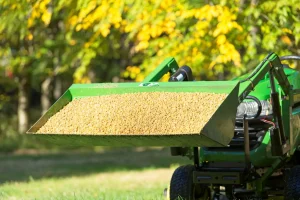
A loader scoops massive piles of soil at once. We drive it straight to the garden bed.
Expert Tip: When moving three yards of soaking wet mulch last spring, using the bucket saved us roughly four hours of brutal manual labor.
Heavy spring rains wash out dirt driveways fast. Potholes pop up out of nowhere.
Fixing a driveway by hand is nearly impossible. With the loader bucket, we scoop fresh gravel, drop it right into the low spots, and back-drag the surface smooth. We get a perfectly graded road without paying an outside contractor.
Shoveling a quarter-mile driveway during a blizzard is dangerous work. Even a standard walk-behind blower struggles against deep, frozen drifts.
By outfitting the machine with proper snow clearing equipment, we push large banks of winter slush out of the way effortlessly. We stay warm, and the driveway gets cleared in ten minutes.
Prepping for winter heating means moving tons of heavy oak and maple. Carrying those logs by hand destroys our shoulders.
We treat the front bucket like a giant mobile wheelbarrow. We toss split wood right into the scoop and drive it straight up to the porch. Zero back strain.
Building a patio sounds fun until we actually have to move the concrete blocks. Those retaining wall stones easily weigh sixty pounds each.
We load entire stacks of pavers into the bucket. The machine carries the heavy load right to the trench line, saving our energy for the actual installation work.
High winds always leave branches and thorny brush scattered everywhere. Dragging that mess to the burn pile by hand scratches up our arms.
A grapple attachment grabs huge bites of tangled brush. We lift it high, drive it away, and dump it without ever touching a single thorn.
A good compost pile needs constant flipping. Pitchforking a wet, steaming pile of organic matter is exhausting.
We drive the loader right into the heap. We scoop the dense material and roll it over. That adds oxygen instantly and speeds up the whole breakdown process.
Nobody wants to spend their Saturday swinging a heavy pickaxe at a stubborn tree stump.
Using the loader gives us incredible upward hydraulic leverage. We slide the bucket edge under the root collar and pop small stumps right out of the dirt.
Planting large shade trees is tricky. If we drop the root ball, we can shock or kill the plant.
We use straps to suspend heavy trees securely from the loader arm. We carry them gently across the yard and lower them right into the hole.
Fencing requires moving bags of concrete, heavy wooden posts, and wire spools down a long property line.
We load all our fencing supplies into the bucket. It acts as a rolling workbench that drives right alongside us as we dig each post hole.
Low spots in the yard hold standing water and breed mosquitoes.
We haul fill dirt directly to those swampy areas and use the bucket to feather the edges flat. We get a safe, level yard in a single afternoon.
Cleaning livestock stalls is the worst chore on any farm. Shoveling wet, packed bedding by hand takes hours.
The compact frame fits right down the barn aisle. We scoop out heavy manure in huge chunks, keeping the barn cleaner with a fraction of the effort.
Wrestling fifty-pound bags of livestock feed out of a truck bed gets old fast.
We slide pallet forks onto the loader and lift the entire bulk shipment at once. We drive the full pallet straight into the storage shed.
Thick briars and fallen timber ruin good walking trails.
We use the machine to push back the heavy underbrush and smooth out the dirt paths. It opens up the woods and makes the property fun to explore again.
Mud and manure bake onto concrete barn floors like glue. A standard push broom will not budge it.
We drop the bucket edge down low and scrape the concrete bare. It cleans up the workspace and prevents nasty slip hazards.
To get the most out of this machine, we have to use the right tool for the specific chore.
If we try to move the brush with a standard bucket, it just spills over the sides. Picking the best loader attachments keeps the workday moving fast.
Here is a quick breakdown of what we use most often.
While this setup is amazing for a few acres, keep in mind that massive commercial land clearing still needs a full-sized bulldozer.
Q. What exactly is this loader used for?
A. It is a highly versatile front-end machine used for property maintenance and small farming. We use it to lift heavy materials, clear winter snow, grade rough driveways, and transport yard debris. It drastically reduces our manual labor hours.
Q. Can we use it during the winter months?
A. Yes. It handles heavy snow plowing in January just as easily as it grades dirt in July.
Q. Is it safe to operate on uneven hills?
A. Absolutely. The low center of gravity keeps the machine incredibly stable, even on sloped acreage and rough pasture terrain.
Q. Is this a smart purchase for a small homeowner?
A. If we manage anywhere from one to five acres, the physical labor savings alone make it a fantastic long-term investment.
Taking care of a large property should be rewarding, not painful. We should not have to spend every weekend nursing a sore back.
Investing in a compact loader replaces endless hours of manual labor with smooth, mechanical power. From plowing out a frozen driveway to hauling heavy landscaping stone, this machine handles the toughest chores on our land.
We can finally reclaim our free time and enjoy the property we worked so hard to buy.
Take a look at the full specifications, check out the different attachments, or reach out to our team to set up a live demonstration today.

© 2026 All Rights Reserved | LGM USA LLC
Added to cart
Check out our shop to see what's available