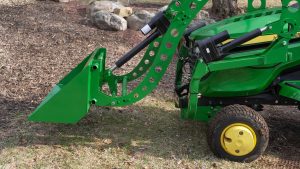
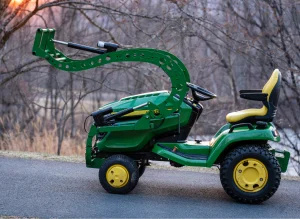
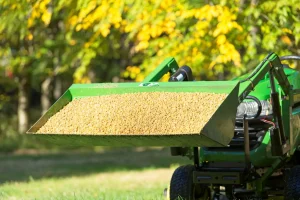
Winter weather can create real challenges when heavy snowfall begins to cover driveways and walkways. For homeowners who use a John Deere X300 or X500, pairing the tractor with an LGM-100 front-end loader transforms snow removal from a labor-intensive chore into a controlled, efficient, and surprisingly enjoyable task.
The LGM-100 is engineered for year-round performance, but it performs exceptionally well during winter. This fully electric, precision-built attachment clears snow with power and accuracy that often surpasses consumer-grade snowblowers. Once you understand a few key techniques, it becomes a dependable snow removal tool capable of handling everything from overnight accumulation to compacted drifts.
Below are professional strategies and maintenance practices that help you get the most out of your LGM-100 loader throughout the winter season.
Why the LGM-100 Excels in Snow Removal
Snow varies from light powder to dense, wet accumulation, and the LGM-100 is designed to handle these shifts with consistent performance.
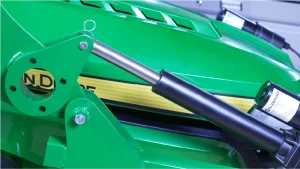
- The electric system eliminates concerns associated with hydraulic components in low temperatures. You do not have to worry about frozen hydraulic lines or sluggish fluid movement. The loader connects directly to the tractor’s 12-volt battery system for smooth, responsive lifting.
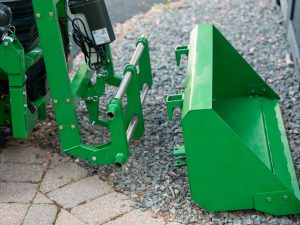
- The carbon steel bucket withstands snow, ice, and salted surfaces with reliable durability. It maintains its structural integrity even when pushing compacted snow or dragging material across icy ground.
- With a lift height of approximately forty-four inches and a working capacity of three hundred and fifty pounds, the LGM-100 provides more than enough range for moving, piling, and transporting snow throughout your property.
Preparing Your Loader for Winter Conditions
A few minutes of preparation before the first storm greatly improves safety and efficiency.
- Inspect all hardware and electrical connections.
Confirm that bolts, brackets, and wiring harnesses are properly seated. Cold temperatures and vibration can loosen components, so routine checks ensure reliable performance.
- Coat the interior of the bucket.
A light application of silicone spray helps prevent snow from sticking. This reduces resistance and allows snow to slide out cleanly when dumping.
- Mark the working area.
Install reflective stakes or driveway markers so boundaries remain visible during snowstorms or low-light conditions.
- Warm up the tractor.
A few minutes of idling helps stabilize the battery output and ensures the electric actuators operate at peak performance.
Once these steps are complete, you can begin snow removal with confidence.
Professional Snow Removal Techniques
Many operators unintentionally make snow removal harder by pushing in straight lines without a plan. With the LGM-100, methodical patterns and controlled loading improve results significantly.
Begin at the center and move outward.
Creating a central pass opens the work zone. From there, angle slightly toward each side to move snow outward in a controlled manner. This technique prevents buildup and reduces strain on the tractor.
Avoid unnecessary overloading.
Wet snow gains weight quickly. Even though the LGM-100 is strong, moderate bucket loads maintain traction and balance. A balanced tractor performs better on icy surfaces.
Work with shorter pushes.
Short rows allow for better control and help prevent tire spin. This method is especially useful when clearing slopes or packed snow.
Place snow strategically.
Build snowbanks along the edges rather than concentrating all material in one location. If needed, carry excess snow to a designated deposit area. Placing snow on landscape beds or open lawn areas often improves drainage during melt.
Safety Guidelines for Winter Operation
The LGM-100 improves snow removal, yet winter conditions require consistent caution.
- Keep the bucket close to the ground when traveling, especially on icy or uneven surfaces.
• Maintain controlled steering movements and avoid sharp turns.
• Stay within the loader’s rated lifting capacity.
• Take periodic warm-up breaks in extremely cold weather. Both operator comfort and battery performance benefit from short pauses.
Maximizing Productivity with the LGM-100
Small adjustments create measurable improvements in performance.
- Maintain a slight upward bucket angle when operating over frozen patches. This technique helps the bucket glide across the surface rather than dig in.
- Begin removal early during a snowfall cycle. Fresh snow is easier to manage before it compacts or refreezes overnight.
- Use tire chains if conditions require additional traction. They are especially helpful when clearing long or steep driveways.
- Dress appropriately for outdoor work. Gloves with strong grip and protective eyewear improve comfort and visibility.
Using the LGM-100 Beyond the Driveway
One advantage of the LGM-100 is its ability to reach areas where larger plow attachments cannot operate. The precise electric control system allows for effective snow removal on patios, walkways, small service roads, and tight spaces around the home.
The loader’s versatility extends into warm seasons as well. Once winter ends, the same attachment becomes a landscaping tool capable of moving mulch, soil, gravel, or compost. Since it requires no hydraulic maintenance, switching between seasonal tasks is simple and efficient.
Seasonal Maintenance Practices
Proper care extends the life of your loader and ensures reliable winter performance.
- After each snow removal session, rinse the bucket and frame to remove salt and road debris. Warm water is ideal when available. Dry the loader thoroughly to protect the metal surfaces.
- Inspect wiring, pins, and mounting points during heavy-use weeks. Electric systems are simple and dependable, yet routine attention helps maintain consistent performance.
- If storing the loader after winter, apply a light protective oil coating on exposed steel areas and disconnect the electrical connector to preserve contact quality.
Experience the Capability of the LGM-100
Snow removal becomes noticeably easier and more controlled when using the LGM-100 front-end loader. It offers year-round durability, exceptional winter performance, and dependable electric-powered operation. Instead of spending hours with a shovel or a small snowblower, you can rely on a tool designed to lift, move, and pile snow efficiently.
When the next storm arrives, let the loader deliver the power, and enjoy the satisfaction of a clean, fully cleared path with professional-grade precision.
Frequently Asked Questions
- Can the LGM-100 handle heavy, wet snow?
Yes. The loader is capable of moving wet accumulation effectively. Moderate bucket loads are recommended to maintain control and traction.
- Is winter operation safe for electric components?
Yes. The electric actuator system performs reliably in freezing temperatures. Ensure the tractor’s battery is fully charged and that wiring remains dry.
- Can I use the loader on gravel surfaces?
Yes. Lower the bucket carefully and proceed slowly. Keeping the bucket angled slightly upward helps prevent gravel displacement.
- What is the best way to store the loader after winter?
Clean the loader thoroughly, allow it to dry, apply a protective oil coating on exposed metal, and store it in a covered area. Disconnect the wiring harness to maintain clean electrical contacts.