
The Ultimate Seasonal Tractor Service Checklist (Spring, Summer, Fall & Winter)

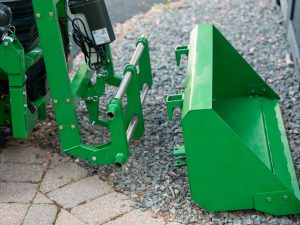
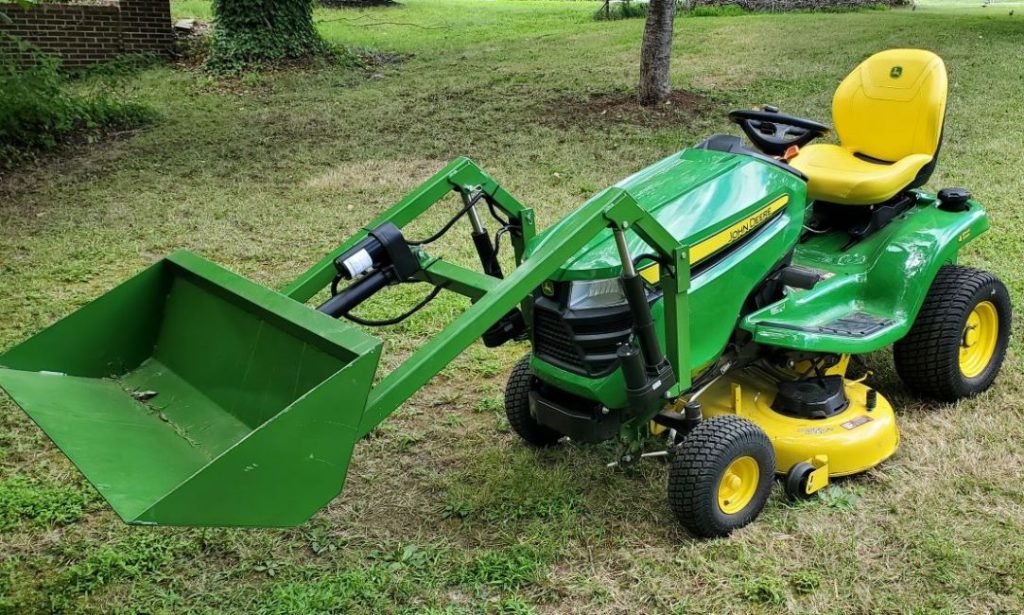
Customer photo of the installed front end loader

It’s the first warm Saturday in April. The X300 has been sitting in the back of the garage since November. You popped the door open, looked at it, and realized you have no idea if it’s going to start when you turn the key. The grass is already greening up. There’s a pile of mulch you bought last fall sitting under a tarp. The LGM-100 is right where you left it.

Sound familiar?

A residential lawn tractor with a front-end loader on it is a real piece of machinery. Treat it right and it’ll stay dependable for a long time. Skip the basics and you’ll be replacing batteries, blades, and actuators way sooner than you should be.

Here’s the thing nobody tells you when you buy an X300 or X500. The owner’s manual covers the engine. It does not cover the loader you bolted onto the front. And it does not break the year up the way your yard actually breaks up.

So here’s a real seasonal checklist. Built for a homeowner with a John Deere X300 or X500 and an LGM-100 in the garage. Stuff you can do on a Saturday morning with the tools you already have.

Spring: Wake the Tractor Up

Spring is the busiest season of the year for this machine. The grass is about to take off. You probably have mulch beds to top up, gravel to push around, maybe a few flower bed projects on the list. The tractor needs to be ready to go, not parked in the driveway with a dead battery while you wait on the parts store.

Plan on an hour. Maybe two if you’re being thorough.

Engine and Mowing Deck

  • Change the engine oil and filter. If you didn’t do this last fall, do it now. Use the oil capacity listed in your owner’s manual. Use what’s spec’d in your manual. Warm the engine for two minutes first so the old oil flows out clean.
  • Replace the fuel filter. Five-dollar part. Takes ten minutes. Skipping it for two seasons is how you end up with a tractor that runs rough at half throttle.
  • Pull and check the spark plug. If the gap is off or the electrode is rounded, swap it. They cost a couple bucks each.
  • Clean or replace the air filter. Tap the foam pre-filter out, look at the paper element. If you can’t see light through it, it’s done.
  • Sharpen the mower blades. Or buy a fresh set. Dull blades tear grass instead of cutting it, and that’s why your lawn looks ragged a day after you mow. While you’re under there, check the deck belt for cracks.

Battery and Electrical

  • Charge the battery fully before the first start. If it sat all winter without a maintainer, give it eight hours on a slow charge. If it’s more than four years old, just replace it. Batteries die hard in cold garages.
  • Clean the terminals. Pop them off, wire-brush the corrosion, dab on a little dielectric grease before you put them back.
  • Look for chew marks. Mice live in garages. They love wiring insulation. Look at the harness running to the dash and back to the actuator on the LGM-100. A short circuit is way more expensive than five minutes of inspection.

The LGM-100 Specifically

  • Hit every grease zerk on the loader. The pivot points on the lift arms, the bucket pin, the mounting brackets. Pump grease until clean grease pushes out of the joint. That’s how you know the old stuff is gone.
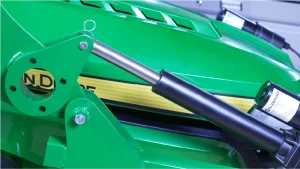
  • Inspect the actuator visually. Check for grime, dirt, or any visible damage. The LGM-100 actuators are sealed electric units and do not require periodic maintenance, but clean exterior surfaces extend their life. If movement gets rough or you see anything leaking, inspect it before the next project.
  • Run the loader through its full range. Lift, lower, dump, curl. Listen for anything that sounds wrong. If it moves smoothly and responds to the joystick the way it always has, you’re good.
  • Check the mounting bolts. Two minutes with a wrench. Make sure nothing has worked loose over the winter.

Tires and Walk-Around

  • Check tire pressure. Reset to the spec in your owner’s manual or on the tractor label, not the max PSI on the sidewall.
  • Walk around the machine. Look for puddles under it. Any fresh drip or puddle is worth checking before you put the tractor back to work. A real puddle means something needs attention before you start working it hard.

If everything checks out, fire it up. Let it run for a couple minutes. You’re ready for spring.

Summer: Keep It Running Through the Busy Months

Summer is when your tractor earns its keep. Mowing once a week, maybe more if you’ve had a wet stretch. Mulch projects on Saturdays. Hauling whatever needs hauling.

Summer maintenance is mostly about heat, dust, and not letting small things become big things.

Every Time You Mow

  • Knock the grass clippings off the deck. A leaf blower works. Built-up grass holds moisture against the metal and that’s where rust starts.
  • Glance at the tires. Pressure looks right? Nothing stuck in the tread? Move on.
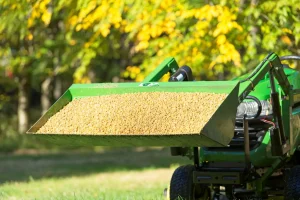
  • Check that the loader bucket is empty. You’d be surprised how often a bucket of mulch left overnight gets forgotten and ends up wet by morning.

Every Few Weeks

  • Hit the grease zerks. Once a month is fine for a homeowner who’s not running the loader every day. If you’re using it heavily, every two weeks.
  • Look at the air filter. Hot dry summers throw a lot of dust. Tap it out. If it’s brown all the way through, replace it.
  • Check engine oil level. Check the oil level regularly, especially under heavy use. Top off as needed.

Mid-Summer Deep Check

Around the Fourth of July is a good time to do a quick mid-season pass.

  • Sharpen blades again. Especially if you’ve been mowing weekly. A blade that was sharp in April is dull by July.
  • Wipe down the actuator rod and check for any seal weeping. A little discoloration around the seal is fine. Wet, drippy hydraulic-style fluid is not.
  • Tighten anything that vibrates loose. Mounting bolts, deck hardware, anything you touch when you’re greasing. Two minutes.

Fall: Wind Down and Get Ready for the Cold

Fall is the season most homeowners skip. Big mistake. The fifteen minutes you spend in October saves you a lot of money in April.

Two things drive the fall list. First, you’re winding down mowing. Second, you’re either going to use the tractor for snow or you’re going to park it for the winter.

End of Mowing Season

  • One last sharp set of blades. Cut the lawn one final time at a slightly higher setting before the grass stops growing.
  • Pull the deck off and clean it down to bare metal. A wire brush, a putty knife, whatever works. Once it’s clean, hit any rusty spots with a quick coat of paint.
  • Change engine oil and filter. Yes, again. Fall is actually the better time of year to change oil because clean oil sits in the engine all winter instead of dirty acidic oil eating at the bearings.

The LGM-100 Fall Check

  • Wipe the loader down. Mulch, dirt, sap, whatever it picked up over the summer. Dry it off.
  • Grease everything one more time. Fresh grease in every joint before the cold sets in.
  • Inspect the actuator and the wiring. Look for chafed spots in the harness. Look at the connector for corrosion. A drop of dielectric grease in the connector is cheap insurance.
  • If you’re not running the loader for snow, leave it on. Taking the LGM-100 off and storing it separately is more hassle than it’s worth, and the bare loader sitting in a corner is more likely to get knocked or damaged than one that’s still mounted.

Fuel and Storage Prep

  • Add fuel stabilizer. Top the tank off. Run the engine long enough for treated fuel to work through the fuel system.
  • Or, drain the gas entirely. Some homeowners prefer this. Either approach works. What you do not want is a half-full tank of untreated gas sitting all winter, because that’s how you end up with a gummed-up carburetor in April.

Winter: Storage or Snow Duty

This is where the path splits. You’re either putting the tractor away or you’re using it.

If You’re Storing It

  • Park it on a clean dry floor. Concrete is fine. Dirt or wet wood is not.
  • Pop the battery out, or hook it to a maintainer. A trickle charger that costs about twenty bucks will keep the battery alive all winter without overcharging it.
  • Cover the exhaust opening. A piece of duct tape or a rag works. Mice will absolutely move into the muffler if you let them.
  • Put a tarp over it if the garage is dusty. Use a breathable cover. Plastic traps moisture against the metal.
  • Don’t park it with the bucket up. Leave the LGM-100 bucket resting on the ground or on a block. Stored under load, the actuator and seals are working all winter for no reason.

If You’re Using It for Snow

The X300 and X500 are not snowplows. You can push light snow off a flat driveway with the LGM-100 bucket and you can run a dedicated snow blade for sidewalks. What you cannot do is treat it like a heavy-duty plow on six inches of wet snow on a sloped gravel surface.

  • Add tire chains, wheel weights, or both. A residential lawn tractor is light. Snow needs traction. Without weight on the rear tires, you’re spinning instead of pushing.
  • Keep the engine warm before you push hard. Run it for three or four minutes first. Cold oil doesn’t lubricate the way warm oil does.
  • Listen to the actuator. If the loader is straining or moving slow against a load of snow, back off. The LGM-100 is not built to ram a snowbank. It’s built to lift and dump.
  • Wipe the machine down after every use. Road salt is the worst thing you can leave on a tractor. Once you’re done plowing, drive it back into the garage, knock the snow off, dry it down. Spray a little WD-40 on any exposed metal that took a salt hit.

When to DIY and When to Call

Almost everything on this checklist is something you can do in your driveway. That’s the whole point. You bought a residential lawn tractor because you wanted to do this stuff yourself.

Here’s the rough line.

Do it yourself: Oil changes, filter changes, blade sharpening, battery work, greasing, wiping down the actuator, tire pressure, tightening hardware, cleaning the deck, replacing belts that are clearly cracked.

Call somebody: Anything inside the engine. Carburetor rebuilds you’ve never done before. Hydrostatic transmission noise that’s new. Actuator failure on the LGM-100 that doesn’t clear up after a basic check. Electrical gremlins you can’t trace.

The maintenance tips that extend the life of your attachment are mostly the small stuff. The grease, the wipe-down, the bolt check. Five minutes here and there. That’s what keeps the loader working for years.

Quick Decision Framework

If you remember nothing else, remember this.

Spring: Wake it up. Oil, filter, battery, blades, grease the loader. About an hour.

Summer: Keep it cool and clean. Hit the air filter, sharpen blades mid-season, grease the loader monthly. Ten minutes a week.

Fall: Get ahead of the cold. Fresh oil, fresh grease, stabilize the fuel, decide if you’re plowing or storing. About forty-five minutes.

Winter: Either store it right or use it carefully. Tire chains and weights if you’re plowing. Battery maintainer and a covered exhaust if you’re not.

That’s the whole year. Probably six hours total of actual hands-on work. Spread across twelve months.

The Bottom Line

The X300 or X500 sitting in your garage is a real machine. The LGM-100 bolted to the front of it turns it into something that can actually handle real work around your property. Mulch, gravel, firewood, snow, all the stuff you used to push around with a wheelbarrow.

But it’s not magic. It needs grease, oil, clean filters, a charged battery, and a quick walk-around once a week. Do that, and it’ll stay dependable for a long time.

Skip the basics and you’ll shorten the life of the machine and loader.

If you already own a John Deere X300 or X500 and you want it to do more than mow grass, take a look at the LGM-100. We built it specifically for the X300 and X500 because we thought a homeowner ought to be able to turn the lawn tractor he already owns into a real piece of property equipment without buying a second machine.

Want a deeper read on what can go sideways and what we already build into the LGM-100 to prevent it? See our writeup on common front-end loader problems and how we solve them.

Your tractor can do more than cut grass. Make it actually useful.

Frequently Asked Questions

1. Why is spring the most critical time for tractor maintenance?

Spring serves as the primary transition from storage to active use. After a winter of inactivity, it is essential to check for battery health, verify tire pressure, and inspect all belts and hoses for dry rot or cracks. Performing these checks ensures that your equipment is safe and ready to handle the increased workload of the growing season without unexpected mechanical failures.

2. What specific tasks should be prioritized during the summer months?

Summer maintenance focuses heavily on cooling and cleanliness to prevent overheating during peak temperatures. You should regularly clear debris from the radiator and front grill to maintain proper airflow. Additionally, keeping the mower deck clean of grass buildup and ensuring all grease points are well-lubricated will protect the moving parts from the friction and heat generated by frequent, heavy use.

3. How does fall maintenance prepare a tractor for the coming cold?

Fall is the ideal time to address any wear and tear sustained during the busy summer season while preparing for winter storage. This includes changing the oil and filters so that old, acidic contaminants do not sit in the engine for months. It is also the time to inspect the cooling system’s antifreeze levels and apply a protective wax or lubricant to metal surfaces to prevent rust.

4. What are the essential steps for winter tractor storage?

To protect your investment during the winter, you should ideally remove the battery and store it in a cool, dry place on a maintainer. If the tractor will remain idle, using a fuel stabilizer is vital to prevent the fuel from gumming up the carburetor or injectors. Cleaning the unit thoroughly before storage prevents trapped moisture and debris from causing corrosion on the frame or electrical components.

5. Why is consistent lubrication important across all seasons?

Regardless of the temperature, lubrication is the most effective way to prevent premature wear on pivot points, axles, and steering components. Keeping grease fittings filled and oil levels topped off creates a barrier against moisture and reduces metal-on-metal friction. Following a consistent lubrication schedule extends the life of your tractor and ensures smoother operation during every seasonal task.