


If you visit a modern American home today, you’re going to see plenty of smart gadgets. Maybe there’s a thermostat on the wall that knows exactly when you like the heat kicked up, or a voice-activated speaker in the kitchen that plays your favorite playlist while you’re making coffee.
We’ve all gotten pretty used to smart living in the digital sense. But lately, a new kind of home automation has been moving from heavy-duty industrial warehouses right into our living rooms and bedrooms. We’re talking about electric actuator loaders.
For the longest time, actuators were tucked away in factories or medical labs, and pushed, pulled, or lifted heavy stuff with just the flip of a switch.
Homeowners across the USA are discovering that these devices offer a level of comfort and “wow factor” once reserved for celebrity mansions. From TV lifts that hide away in a cabinet to pantry shelves that lower themselves down, the linear electric actuator for home use has become the favorite tool for high-end home designers.
So, what’s the big deal? Why are these mechanical parts suddenly the hot new thing for American houses? Let’s get into the real reasons why this technology is taking over.
Let’s be real: space is expensive. Even if you have a big house in the suburbs, the way we use our rooms has changed a lot. With more of us working from home or needing rooms to do double duty, we need our furniture to do more than sit there looking pretty. This is exactly where an electric actuator for home automation really earns its name.
Think about that home office that also needs to be a guest room when the in-laws visit. Or a kitchen island where you want to hide a bulky espresso machine when you aren’t using it. Actuators let you redefine your furniture. Instead of a huge desk cluttering up a room 24/7, a linear actuator can tuck it into a cabinet or even lift it out of a hidden floor spot.
This isn’t just about showing off to the neighbors, though it definitely looks cool. It’s about being practical. We all want to clear out the clutter without losing the tools we use every day. By building actuators into your cabinets or floor plans, you can hide the mess of tech and appliances, bringing them out only when you actually need them.
The first wave of smart home tech was mostly about talking: your phone telling your lights to turn off, or your doorbell sending a video to your tablet. But talking only goes so far. The latest trend is about giving those smart hubs a way to actually move things. That’s why more people are hooking their systems up to smart home actuator systems.
Imagine coming home and saying, “Alexa, movie night,” and watching as your blackout shades slide shut, the lights dim, and a massive 65-inch TV silently rises out of a beautiful wooden console at the foot of your bed. This is the “wow factor” that actuators bring to your home. Since modern actuators are now built to work with the controllers we already have, they plug right into the apps you’re already using. Whether you’re an Apple HomeKit fan, a Google Home user, or an Amazon Alexa devotee, you can program these mechanical loaders into your daily routine.
This easy setup is a massive reason why they’re getting so popular. You don’t need to be a rocket scientist anymore to automate a heavy window or a cellar door. With a solid kit from a place like LGM USA, any homeowner can bridge that gap between a voice command and real-life movement.
One of the most important reasons we see such a jump in actuator use is actually about accessibility. The American population is getting older, and most of us want to stay in our “forever homes” as long as we possibly can. This idea of “aging in a single place” often means making some smart changes to a standard house.
As we get older, heavy lifting or reaching for high shelves can become a real pain or even a safety risk. A linear electric actuator for home use can be a total game-changer here. You can install them to lower high kitchen cabinets down to counter height so you don’t need a step stool. They can adjust a bathroom vanity to the perfect height or power a lift-assist chair that makes getting up a breeze. They can even handle those heavy attic stairs that are usually such a struggle to pull down.
By automating these physical chores, actuators aren’t just a luxury anymore; they’re a tool for staying independent. They let people navigate their own homes with dignity, no matter their physical limits. This kind of human-focused use is a huge reason why more contractors are suggesting these systems when they do home renovations.
There’s a real thrill in having a home that feels like something out of a James Bond flick. We Americans love a good DIY project, and the flexibility of electric actuators means the sky is the limit for what you can create.
We’ve seen some pretty wild stuff lately:
Since actuators come in all different sizes and power levels, you can move pretty much anything. Whether it’s a light panel or a 500-pound floor hatch, the right loader makes the movement smooth, quiet, and really impressive to see.
In the old days, if you wanted to move something heavy, you had to use hydraulic or pneumatic systems. For a regular homeowner, those are honestly a nightmare. They need pumps, hoses, and oily fluid, and they’re famous for leaking and making a ton of noise.
Electric actuators have won the popular vote because they’re basically “plug and play.” They’re clean, they won’t leave an oil stain on your rug, and they’re surprisingly quiet. The units we see today, like the ones from LGM USA, are built to be small but powerful. They even hold their spot when the power is off, which is a huge safety plus for home use. When you’re putting something in your house, you want it to just work without you having to worry about it, and electric systems are the way to go for that.
When you’re moving heavy furniture in a house where kids or pets are running around, safety is the only thing that matters. This is where modern smart home actuator systems have really stepped up.
Newer systems often have sensors built right in that can sense if something is in the way. If a cabinet is lowered and hits a stray toy (or a hand), the system can stop or reverse immediately. That’s the kind of peace of mind you need. Plus, these things are built tough. They can handle being used thousands of times.
At LGM USA, we’ve watched this technology grow from something niche into something every homeowner can use. We know that a person in Texas or a designer in New York isn’t just looking for a “part”, they’re looking for a way to make their life easier. Whether you need a heavy-duty loader for an outdoor project or a whisper-quiet one for a bedroom TV lift, the quality of the gear is what matters most.
The reason these loaders are booming is also that they’ve gotten much easier to understand. You don’t have to be an engineer to wire one up anymore. With clear guides and support that actually speak your language, anybody can get started. We take pride in providing the parts that turn those “home of the future” dreams into something you can actually use today.
As we look at the future of American homes, this trend of “kinetic” or moving architecture is only going to get bigger. We’re moving away from rooms that never change toward spaces that adapt to what we’re doing at that moment.
Electric actuators are your home’s muscles making that happen. They’re getting more affordable and easier to hide inside walls and cabinets. We wouldn’t be surprised to see them become standard in new homes soon, just like a dishwasher or central air conditioning.
The shift toward electric actuators in our homes isn’t just some fad; it’s a reflection of how we want to live. We want homes that are smarter, faster, and easier for everyone to use. We want our spaces to work for us, not the other way around.
Whether you’re trying to save space in a tiny apartment, build the ultimate home theater, or make sure your home stays accessible as you get older, the electric actuator for home automation is the secret ingredient. It’s a small change that makes a huge difference in how your home feels and how much you enjoy living in it.
At the end of the day, your home is where you should feel most in control. By adding a little mechanical “brawn” to your smart home “brains,” you’re finally creating a house that moves with you. If you’re ready to see what a little motion can do, it’s time to look into what linear motion can do for your place. Why do the heavy lifting yourself when you can let an actuator handle it?
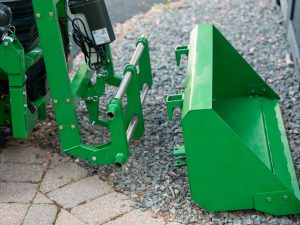
Electric actuator loaders are preferred because they remove the complexity of hydraulic systems, including pumps, hoses, and fluid maintenance. They offer a simpler plug-and-play setup and are well-suited for residential tasks like moving mulch, gravel, and firewood without the risk of hydraulic leaks.
Electric loaders require far less maintenance than hydraulic systems. Instead of fluid checks, filters, and hose inspections, they mainly need occasional lubrication of pivot points and clean, secure electrical connections, making them much easier to maintain overall.
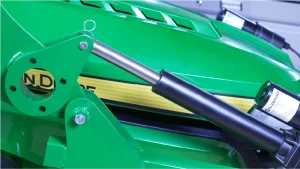
Yes. Modern electric loaders use linear actuators capable of lifting several hundred pounds. While not designed for heavy industrial use, they are more than sufficient for typical residential landscaping tasks like moving soil, snow, and rocks.
Electric loaders are easier to install and remove because they eliminate hydraulic lines and use simple electrical connectors instead. This allows faster attachment changes and makes switching between implements more convenient for homeowners.
Electric loaders operate more quietly than hydraulic systems since they do not rely on continuous pumps. They also eliminate the risk of hydraulic oil leaks, making them cleaner and more environmentally friendly for residential use.



© 2026 All Rights Reserved | LGM USA LLC
Added to cart
Check out our shop to see what's available